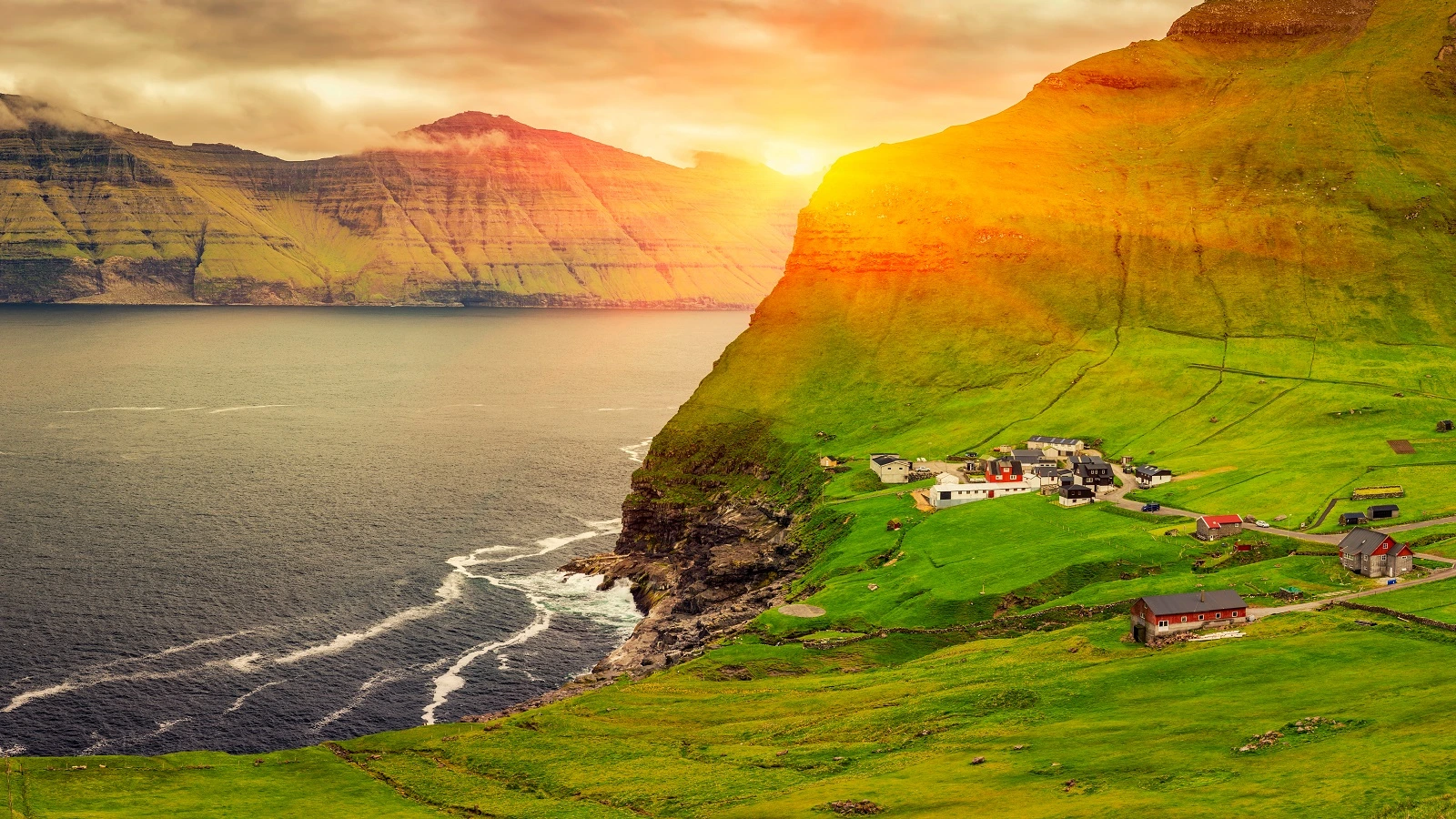
Discover the Faroe Islands’ small villages, experience local life, and explore at your own pace with the freedom of a rental car.
This guide focuses on small Faroese villages, what makes them special, and how to visit them in a thoughtful way.
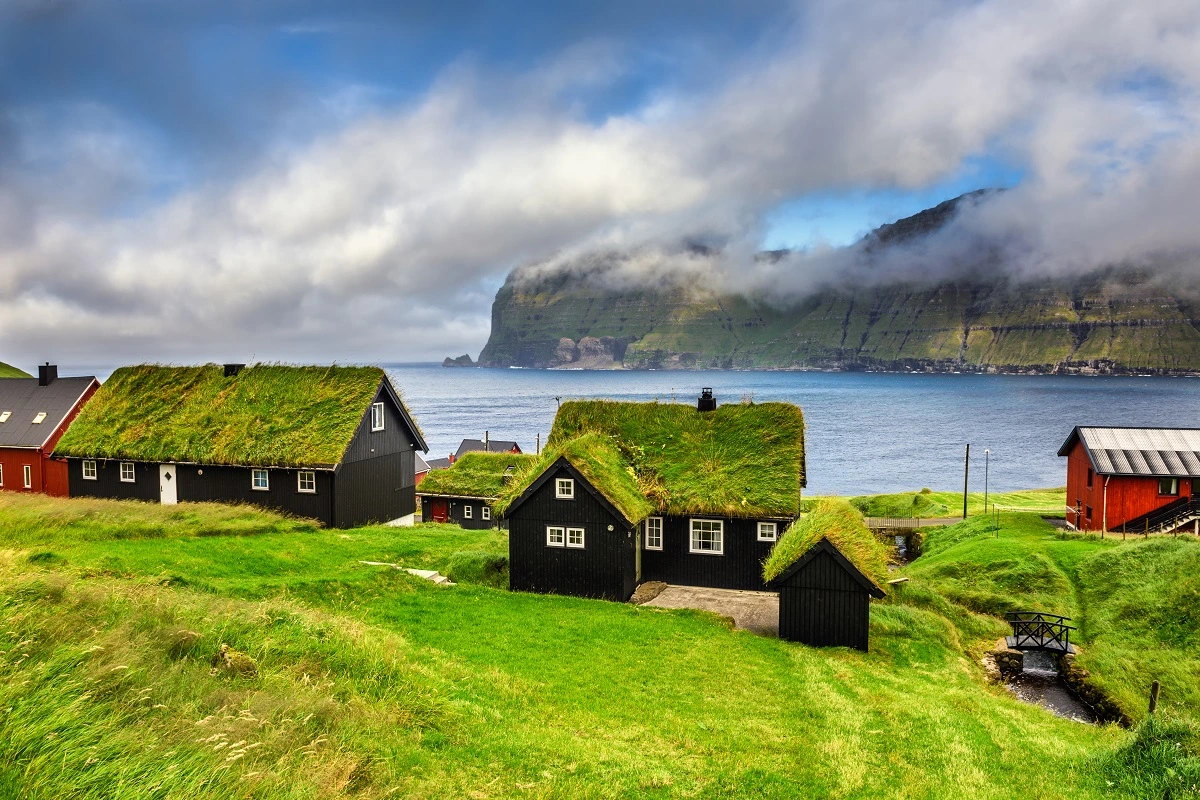
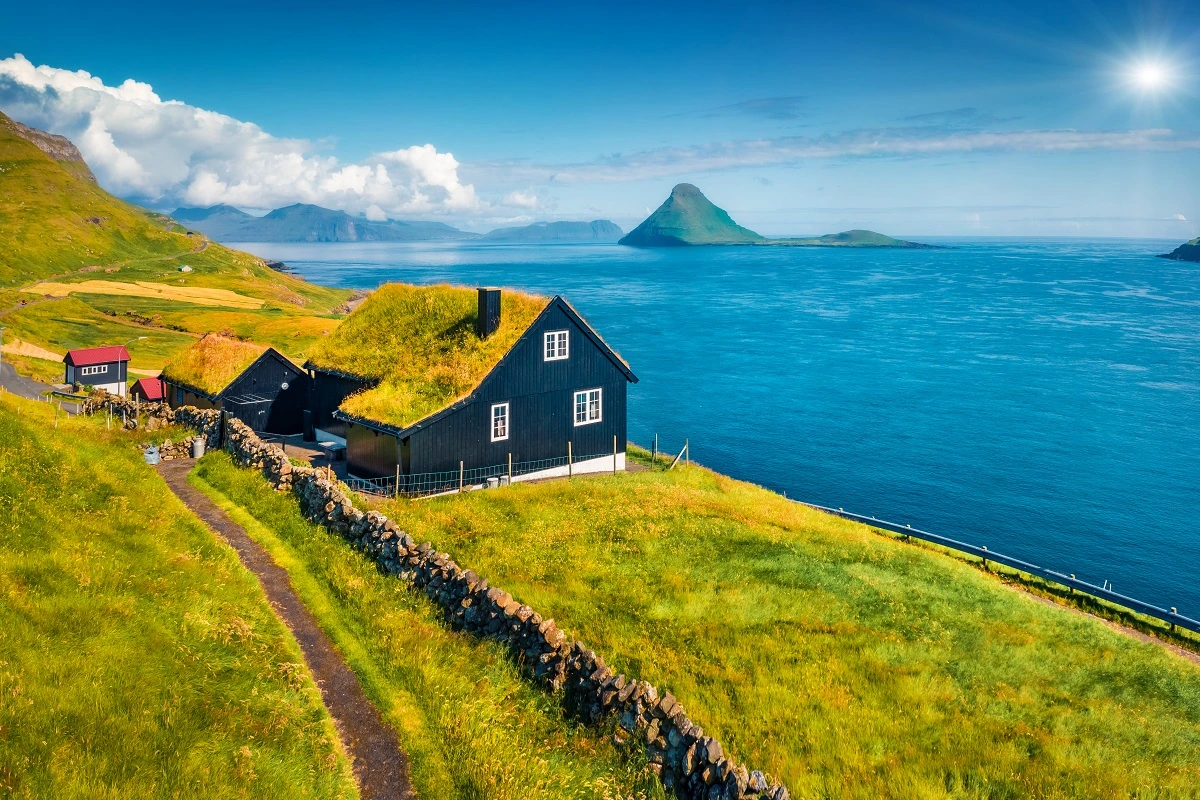
Faroese villages are small, often with only a few dozen houses. Homes are usually built close together, with grass roofs and views toward the sea or mountains. The design helps protect against strong wind and harsh weather.
Daily life in these villages is closely tied to nature. Fishing, sheep farming, and local crafts remain important. You may see boats pulled up on the shore, sheep walking through the village, or locals working outdoors regardless of weather.
Visitors are welcome, but villages are first and foremost living communities. Moving slowly, keeping noise low, and respecting private property helps keep these places peaceful.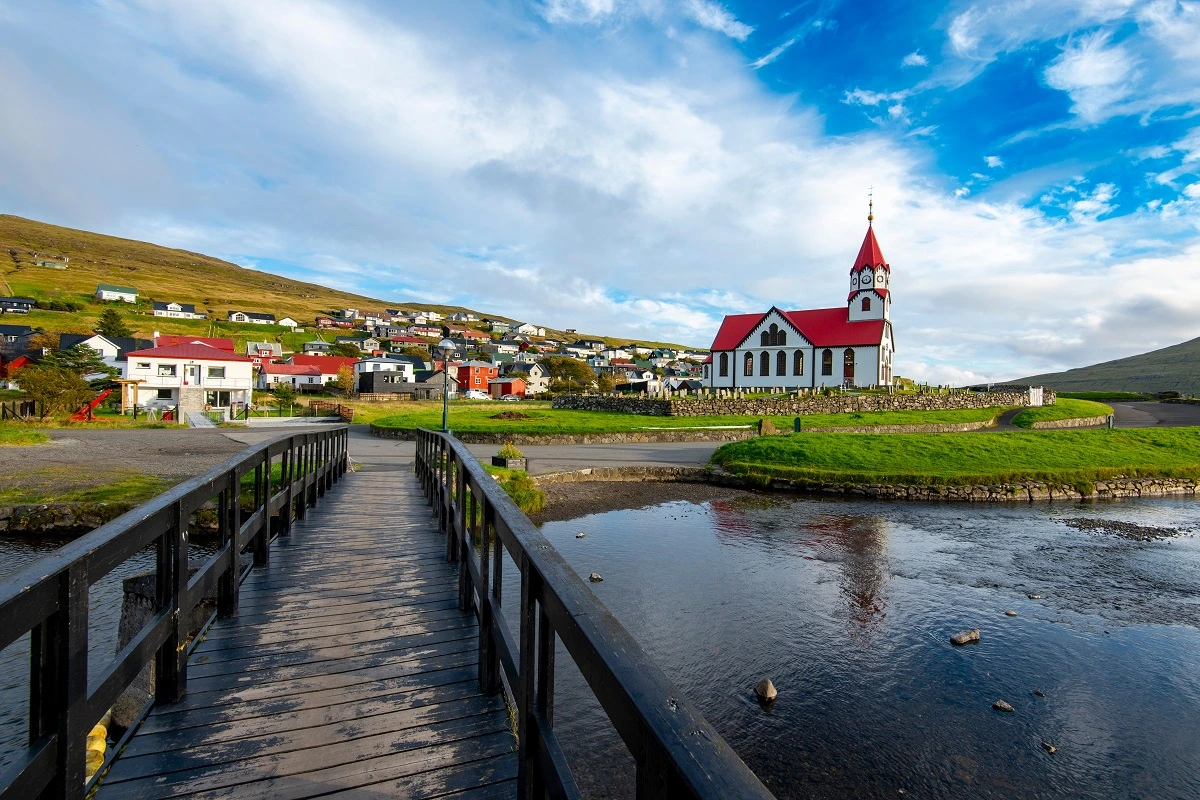
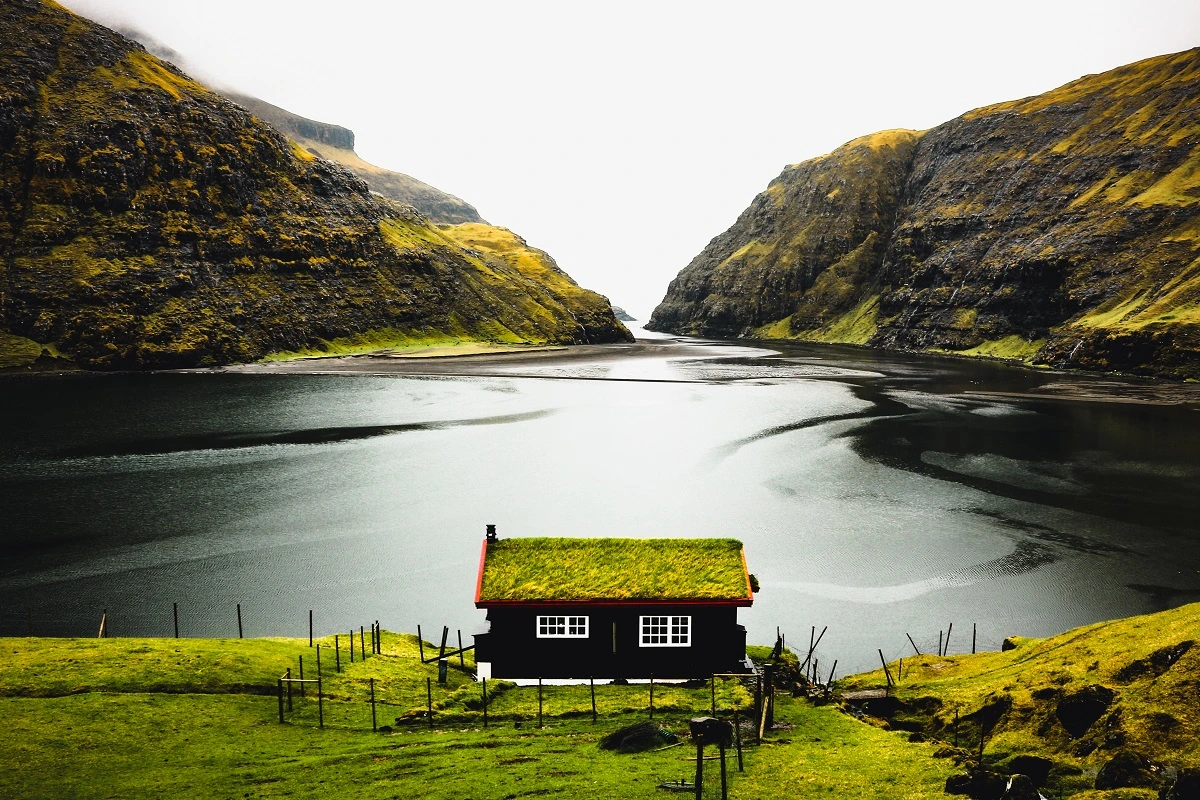
One of the most well-known and visually striking villages in the Faroe Islands is Saksun, located on Streymoy. Saksun sits at the end of a quiet road and opens into a wide valley surrounded by steep mountains. At the center of the village is a tidal lagoon, which reflects the sky and mountains when conditions are calm.
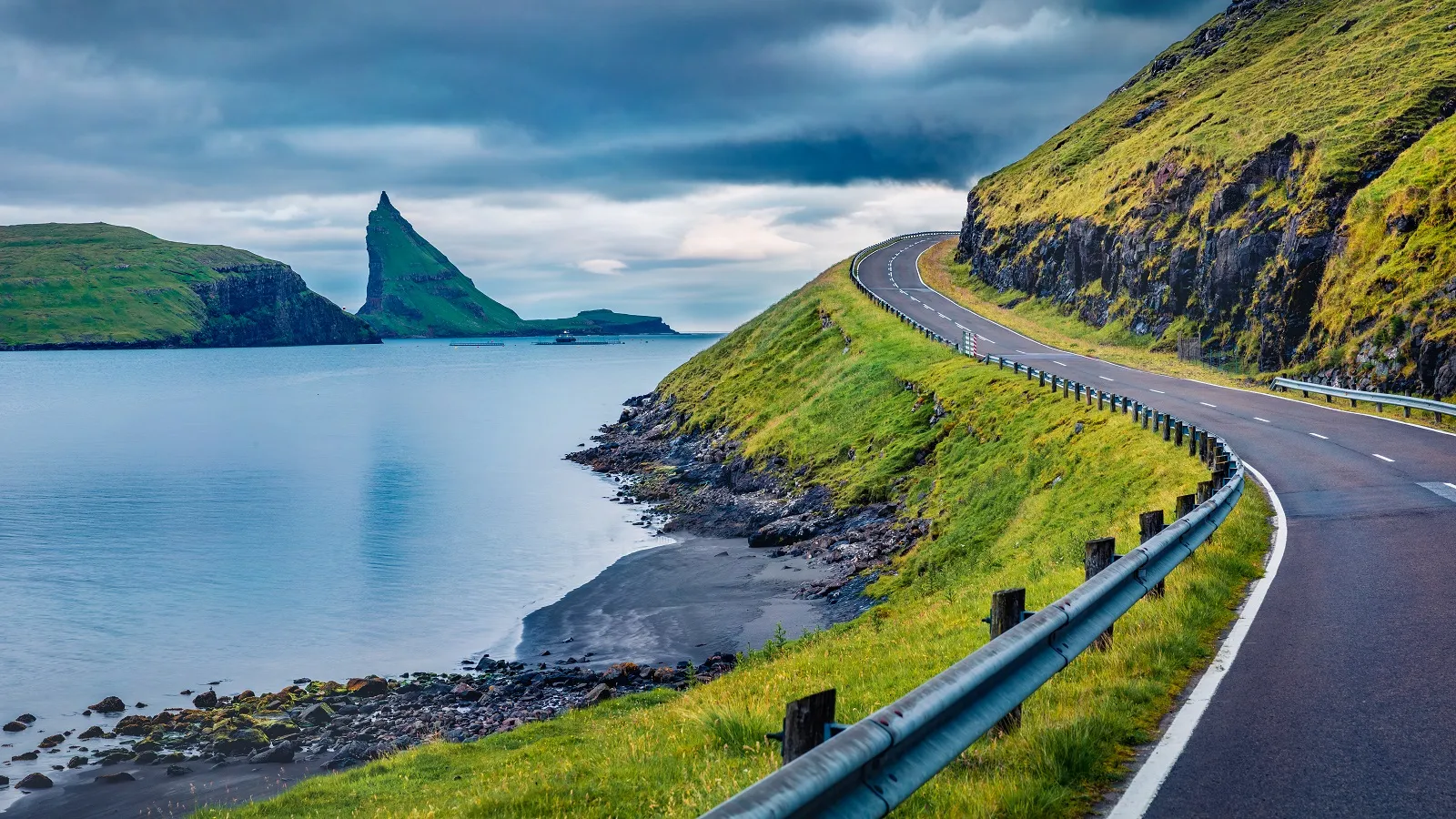
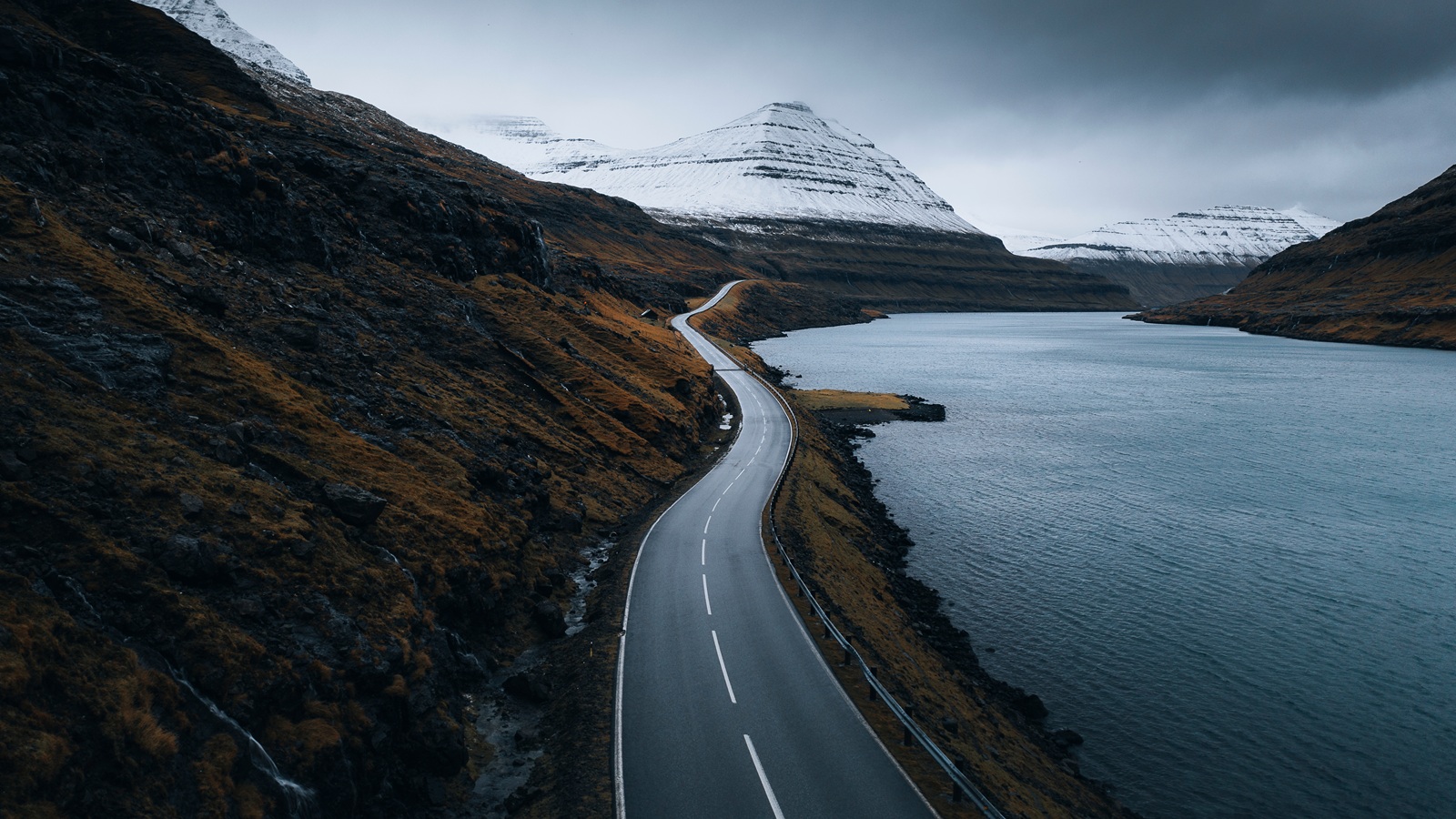
Driving to Saksun is part of the experience. The road winds through open land and gradually leads into the valley, where the village suddenly appears. Because Saksun is far from main roads and public transport, having a car is the easiest and most comfortable way to visit. Early mornings and late afternoons are especially peaceful and ideal for photography.
Other villages worth visiting include Gjógv on Eysturoy, known for its natural harbor, and Viðareiði, the northernmost village in the Faroe Islands, with wide ocean views and a strong sense of isolation. These places are quiet, scenic, and best enjoyed without rushing.
Check out the official page for Gjógv here
Driving through small villages requires patience and awareness. Roads are often narrow, and people may walk along the street. Sheep can appear suddenly, especially in the evening.
Speed limits are low, and slowing down shows respect for local life. Parking should only be done in designated areas or where it does not block access for residents, farmers, or emergency vehicles.
By driving carefully and calmly, visitors help keep villages safe and welcoming. This respectful approach makes a positive difference for both locals and travelers.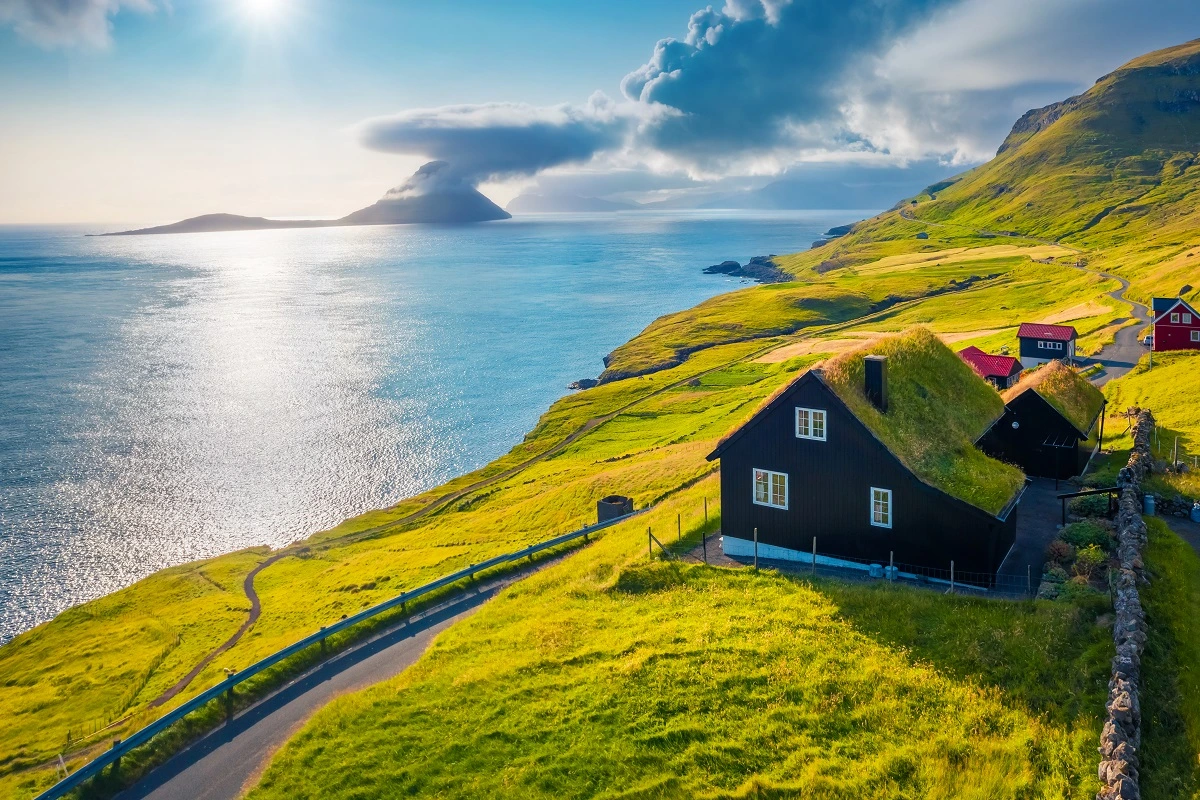
Village visits are not about busy activities. Often, the best thing to do is simply walk around. Short walks reveal views, small details, and everyday moments.
In places like Saksun, you can walk near the lagoon, look toward the mountains, and enjoy the quiet. In coastal villages, sitting near the harbor and watching the ocean can be just as rewarding.
With a car, you can visit one or two villages in a day and take your time without feeling rushed.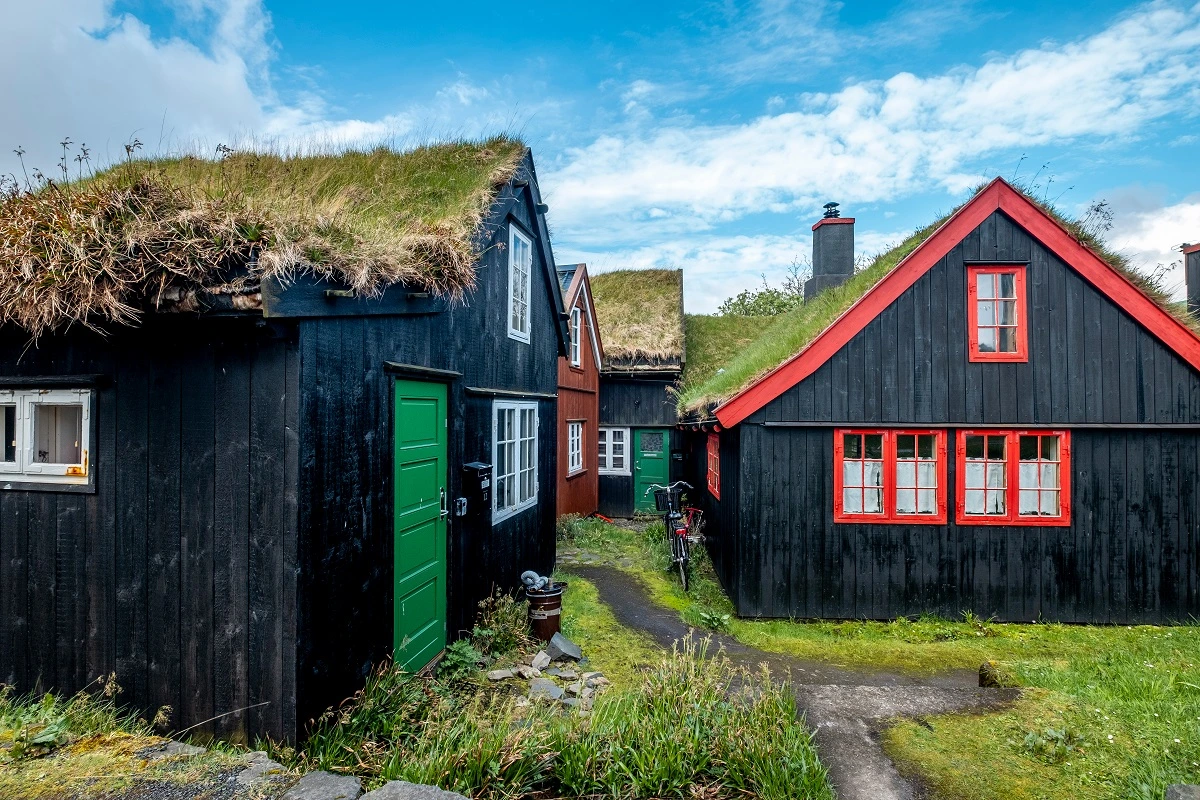
Small villages show how closely people and nature live together in the Faroe Islands. They offer a calmer and more personal experience than busy viewpoints or popular attractions.
Driving allows you to visit these places comfortably and respectfully. It gives you freedom while also encouraging slower travel and deeper connection.
For many visitors, villages like Saksun become some of the most memorable places they see.
Experience the islands beyond the usual sights by visiting small villages at your own pace. With a rental car, you can reach hidden spots comfortably, stay as long as you like, and explore respectfully without rushing.
Rent a car today and discover the authentic life of the Faroe Islands.
The first big thing to know about renting a car here is that there is a relative scarcity of rental cars (around 1,400 rental cars only across all the islands!), which means that prices will get steep, especially during the peak of summer holidays. If you’re planning your visit to the Faroe Islands sometime within the year, do your best to always book in advance. Winter is a good time to snatch up deals—and if you’re smart about which car rental company you choose, you can do so without any worry about cancellation fees.
Google “car rentals in Faroe Islands” and you'll likely find listings for the big car rental companies (Sixt, Kayak, etc). But that’s not all there is. With some locals being too aware of how high car rental prices put off some travelers from visiting their homeland, they’ve set up shop to offer more affordable prices (i.e. our mission in a nutshell!). But it’s not just a matter of pricing. With a local, small team you can expect much more personal support and all the attention that small businesses are known for: ensuring you’re satisfied and sharing with you recommendations.
If you haven’t been lucky enough to nab a car rental winter deal, this is a must-do. Because for many car rental companies (especially the big ones), apart from the rental price of your vehicle, other costs can include cancellation fees and security deposits. The latter can be especially annoying when they charge your credit card immediately for a high deposit, before releasing it with the cost of your bank’s currency exchange fee. Our favorite alternative? Go with a car rental company that doesn’t charge you for cancellations & security deposits.
Thought the rocky Faroe Islands would require 4-wheel drives? Not all. Off-road driving is actually banned from the islands, and thanks to a fantastic road network, just a standard car type would do you well for your adventures (even in winter!)
If you haven’t been lucky enough to nab a car rental winter deal, this is a must-do. Because for many car rental companies (especially the big ones), apart from the rental price of your vehicle, other costs can include cancellation fees and security deposits. The latter can be especially annoying when they charge your credit card immediately for a high deposit, before releasing it with the cost of your bank’s currency exchange fee. Our favorite alternative? Go with a car rental company that doesn’t charge you for cancellations & security deposits.
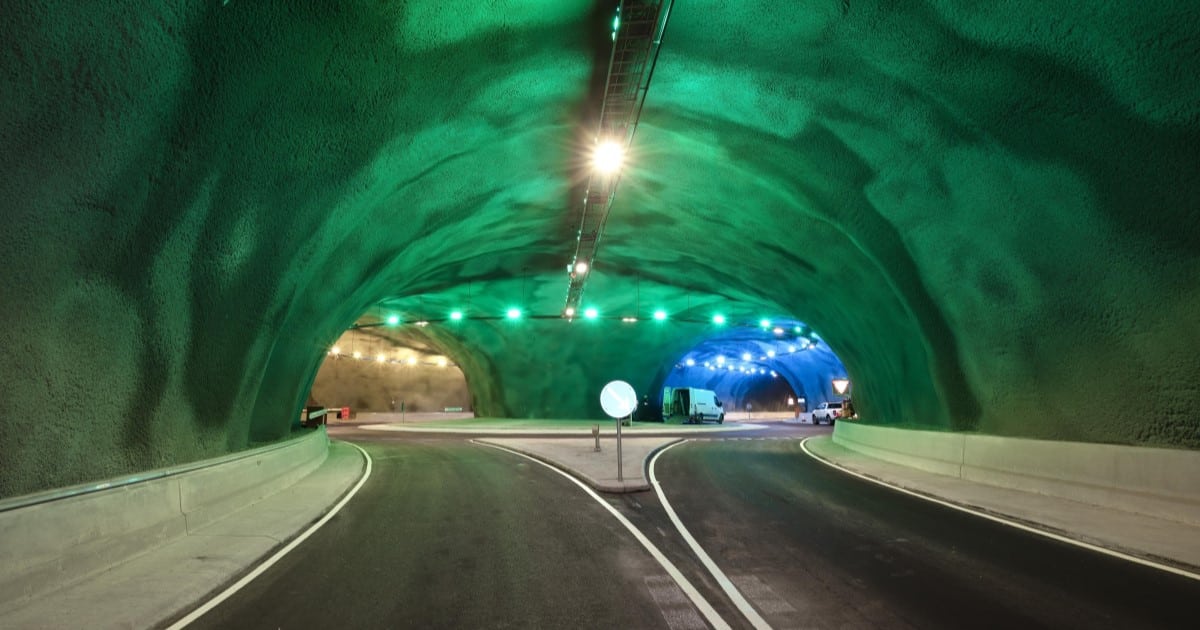
One of the unique things you’ll quickly find out about the Faroe Islands is its many tunnels connecting you all across the archipelago. There are around 20 of them—and they can go either under the seabed itself (sub-sea tunnels) or right through a mighty mountain.
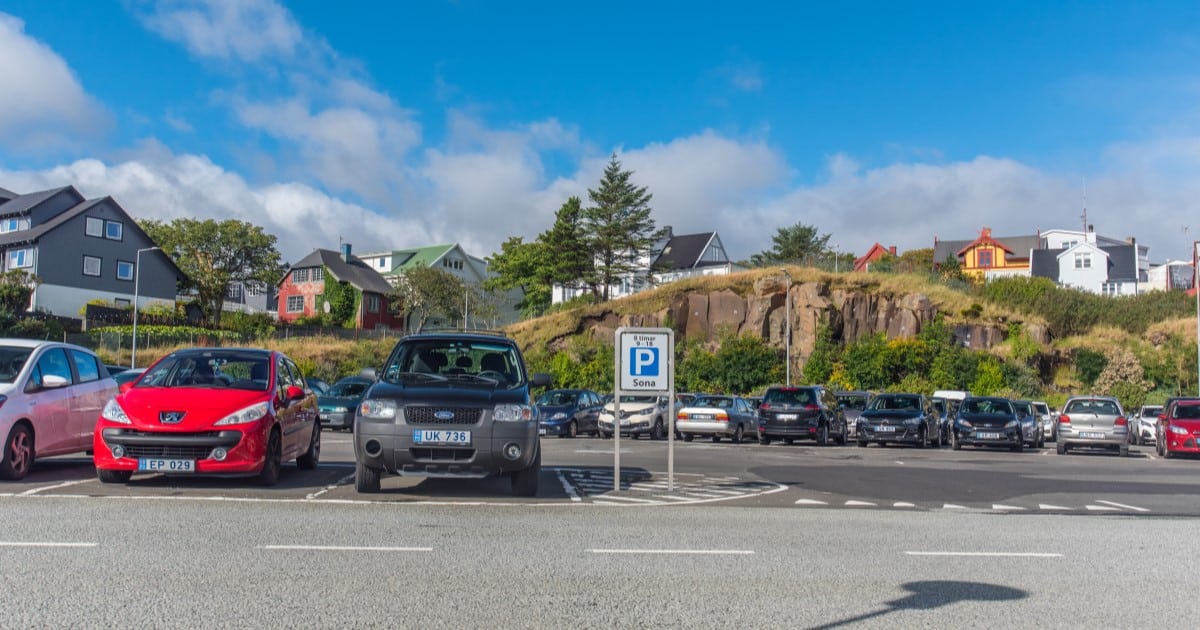
Whether it’s because of the sparsity of the population or the immensity of space around, the Faroe Islands have no parking fees whatsoever…with one exception. If you’re planning to park at the airport, you can expect to pay a fee there—otherwise, park as long as you want, free of charge.
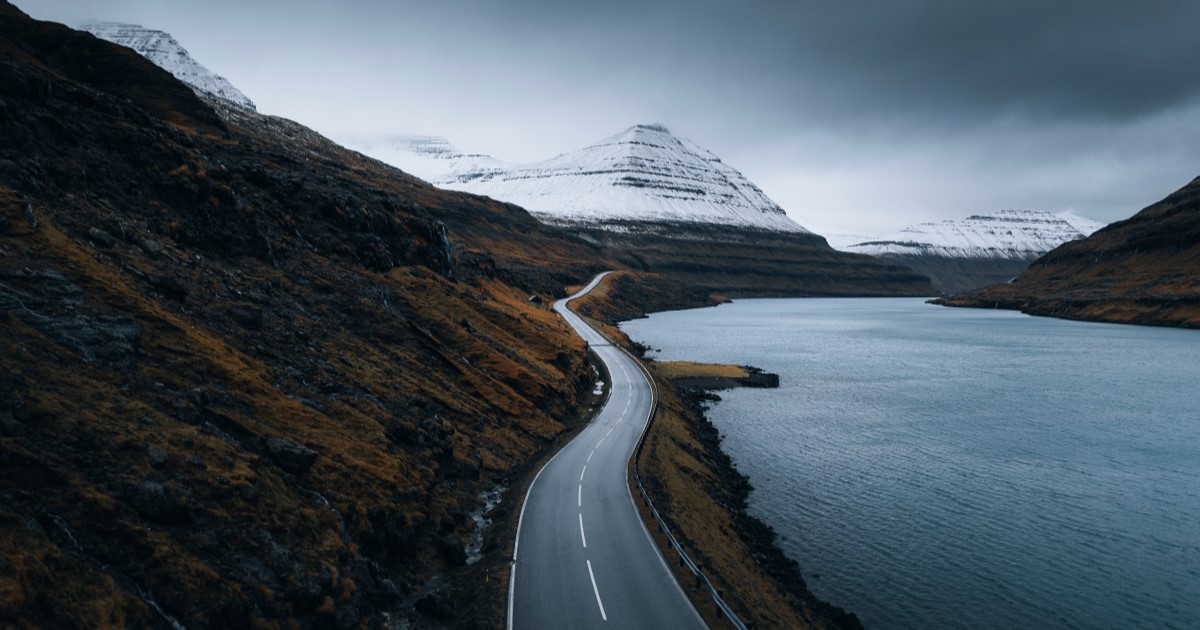
Perhaps a little disappointing to the 4-wheeler adventurers: the Faroe Islands doesn’t permit any off-road driving (officially: it’s prohibited by law). This is to protect the pristine nature all around, much of which is actually private property. So do enjoy your road trips—but on the ample roads, bridges, and tunnels.
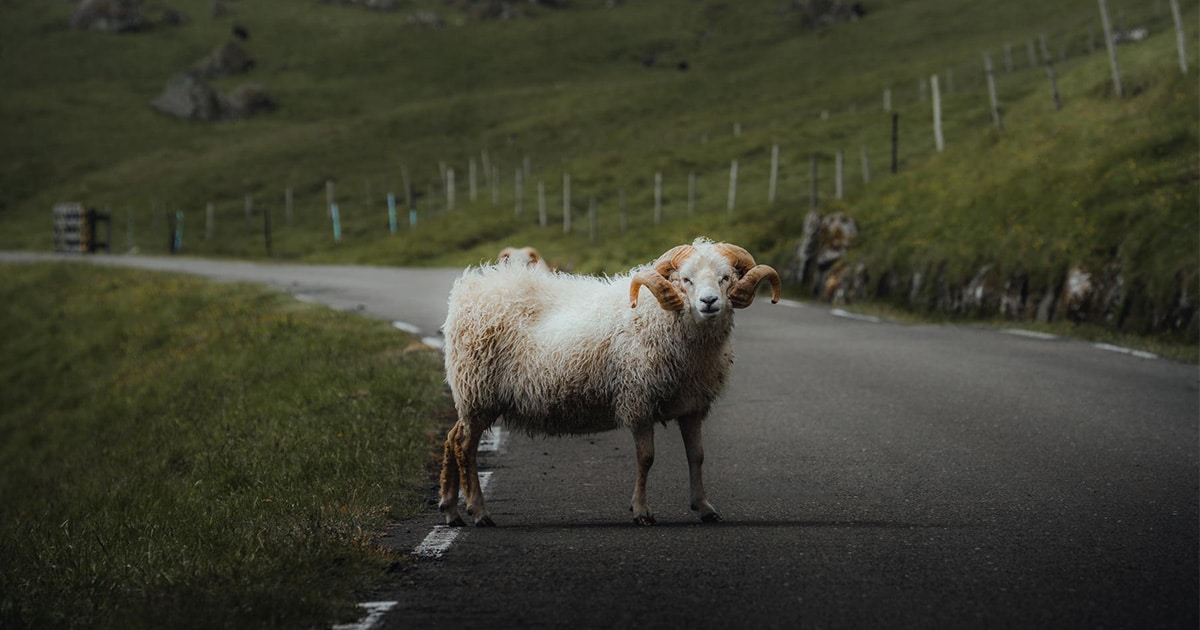
Quintessentially Faroese, when you’re driving around here you’ll very soon be greeted with our most common habitant: wooly sheep. You’ll see them across fields and by roadsides, but just be mindful that some can galavant across the roads (often when in a panic). So when sheep are around, do slow down.
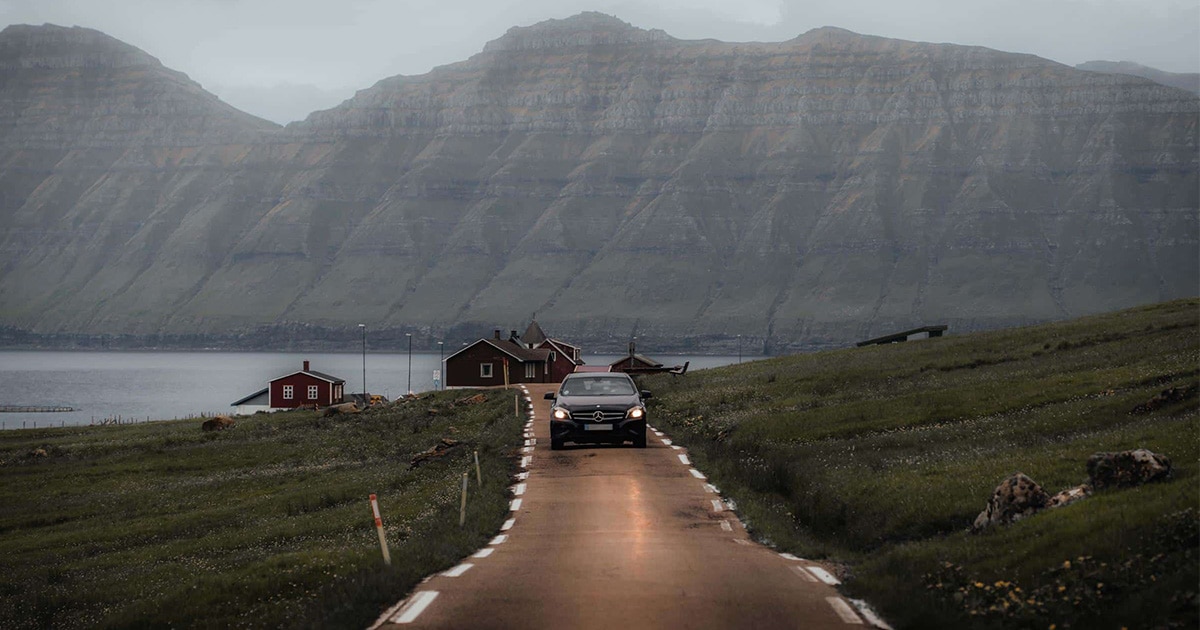
For a quick runthrough of local driving rules: if you’re in town areas, the speed limit is 50 km/h (31 mph)—otherwise, it’s 80 km/h (50 mph). You drive on the right-hand side. It’s illegal to hold a mobile device (or drink alcohol) while driving. And while the legal driving age in the Faroe Islands is 18, most car rental companies will require you to be at least 20-21 years of age.
We’re keeping this part short—only because we’ll be breaking things down for you fully in a separate
blog. But the quick sum of it is: if you’re looking to rent a car for your adventures in the Faroe
Islands, you can either rent from the regular big companies or opt for a local car rental company.
Why we’re biased for the latter? Because, well, that’s what we do—but in our A2B Car Rent way. We make
reservations a breeze, never tie up your money in security deposits, don’t charge cancellation fees
(unless you cancel 72 hours before your pick-up time), and make sure your money goes the furthest for
you.
Our mission has always been to provide the best value car rentals that you can rely on for quality and
friendly, local service.