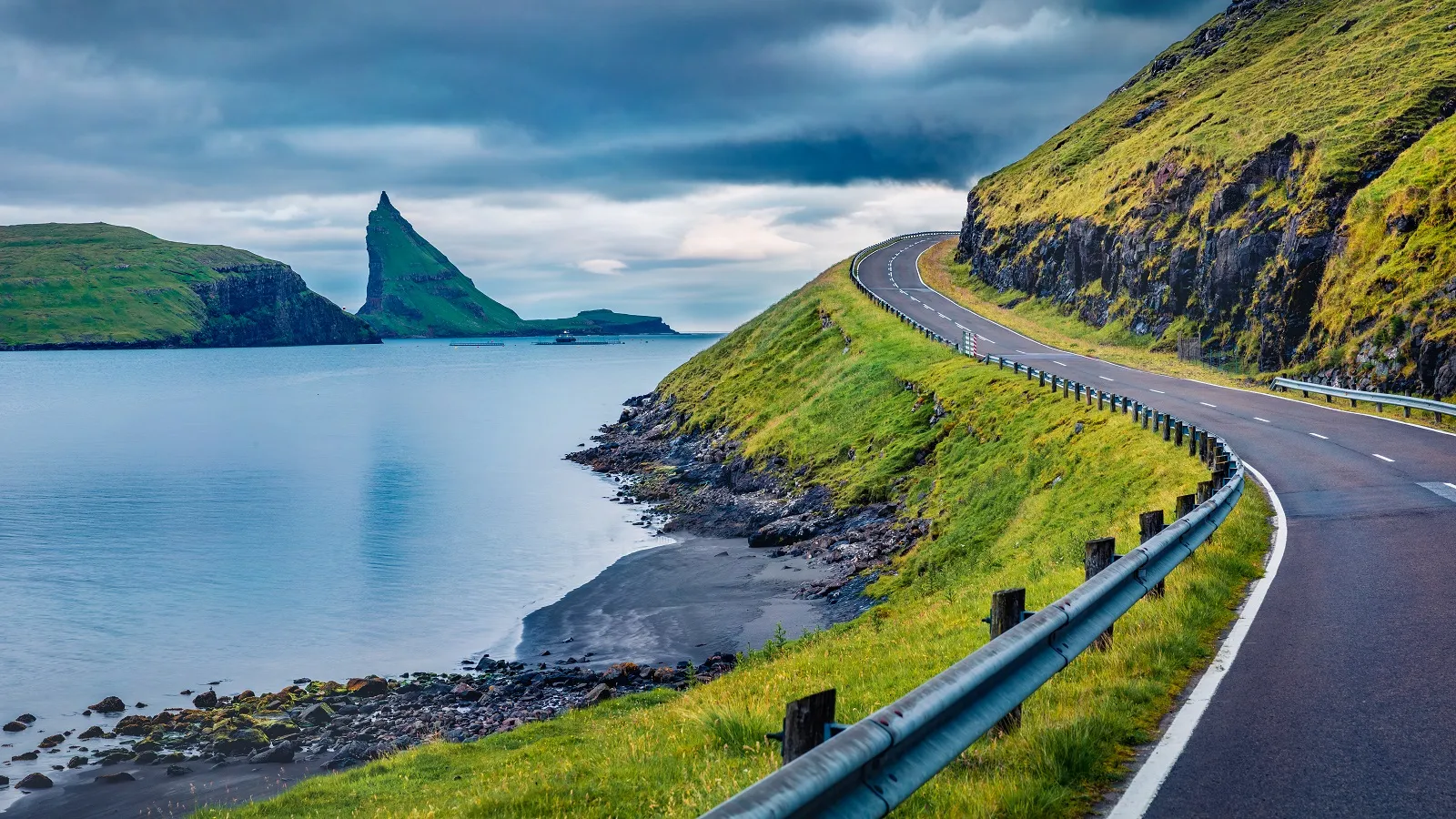
Experience hiking in the Faroe Islands, visiting villages and wide-open landscapes, with tips and the freedom of a rental car.
This guide explains what hiking in the Faroe Islands is like, where visitors often hike, and what you should know before heading out.

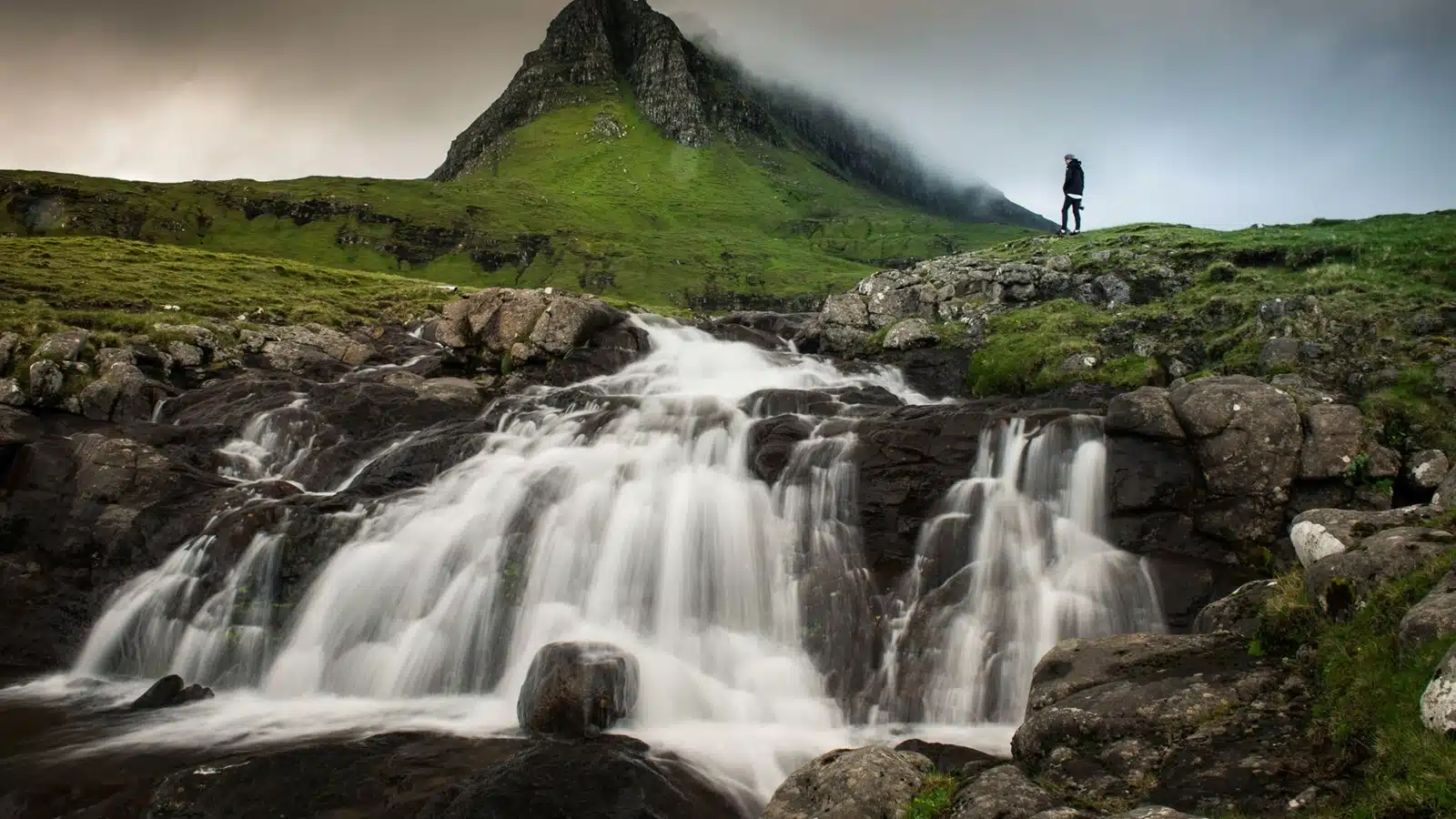
Hiking in the Faroe Islands feels different from hiking in many other countries. Trails often follow old paths used by farmers and villagers rather than marked tourist routes. You may walk across grass-covered hills, along cliff edges, or through quiet valleys with no one else around.
The views change constantly. One moment you may be walking in fog, and the next the clouds lift to reveal the ocean below. This makes hiking exciting but also means you must be prepared for changing conditions.
Many hikes are short in distance but steep in parts. You do not need to be an expert hiker, but good shoes and awareness are important. Hiking here is more about quality than quantity.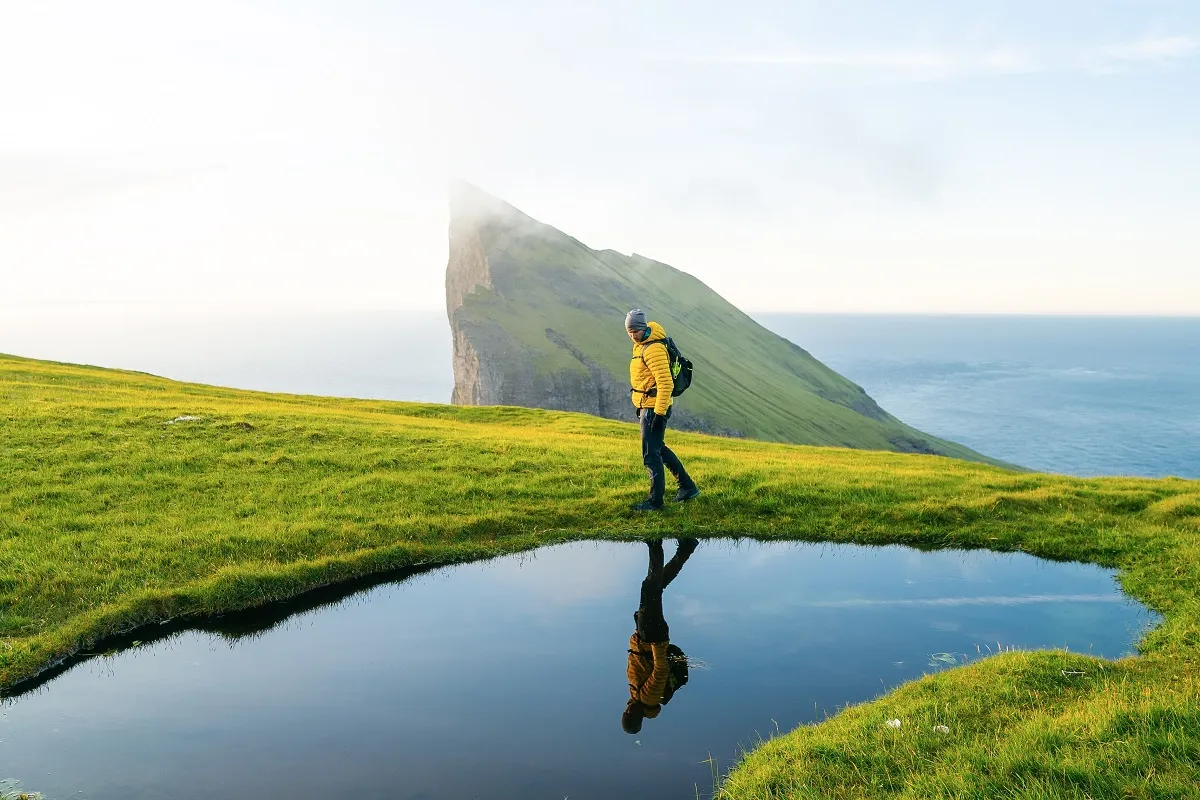
Some hiking areas in the Faroe Islands are especially popular because they offer strong views and clear paths. On Vágar Island, hikes near Miðvágur and Gásadalur are well known, especially routes that lead toward cliffs and viewpoints over the ocean.
One of the most famous and demanding hikes in the Faroe Islands is the hike to Drangarnir, the sea arch between Vágar and Tindhólmur. This hike usually starts near Sørvágur and covers a long distance across hills and coastal cliffs. The route takes several hours and includes steep sections, uneven ground, and exposed areas. Because of its length and conditions, the hike requires good fitness, proper footwear, and enough time. Access to Drangarnir is controlled, and hikers must follow local rules and guidance.
On Streymoy, areas near Saksun and Kirkjubøur offer scenic walks through valleys and along hillsides. These hikes combine nature with history and give a good sense of Faroese life.
Check out the official page for Saksun here
Eysturoy is known for steeper hikes and higher mountains. Routes near Gjógv and Eiði offer wide views of fjords and the open sea. Many hikers choose these areas for half-day or longer hikes, depending on weather and experience.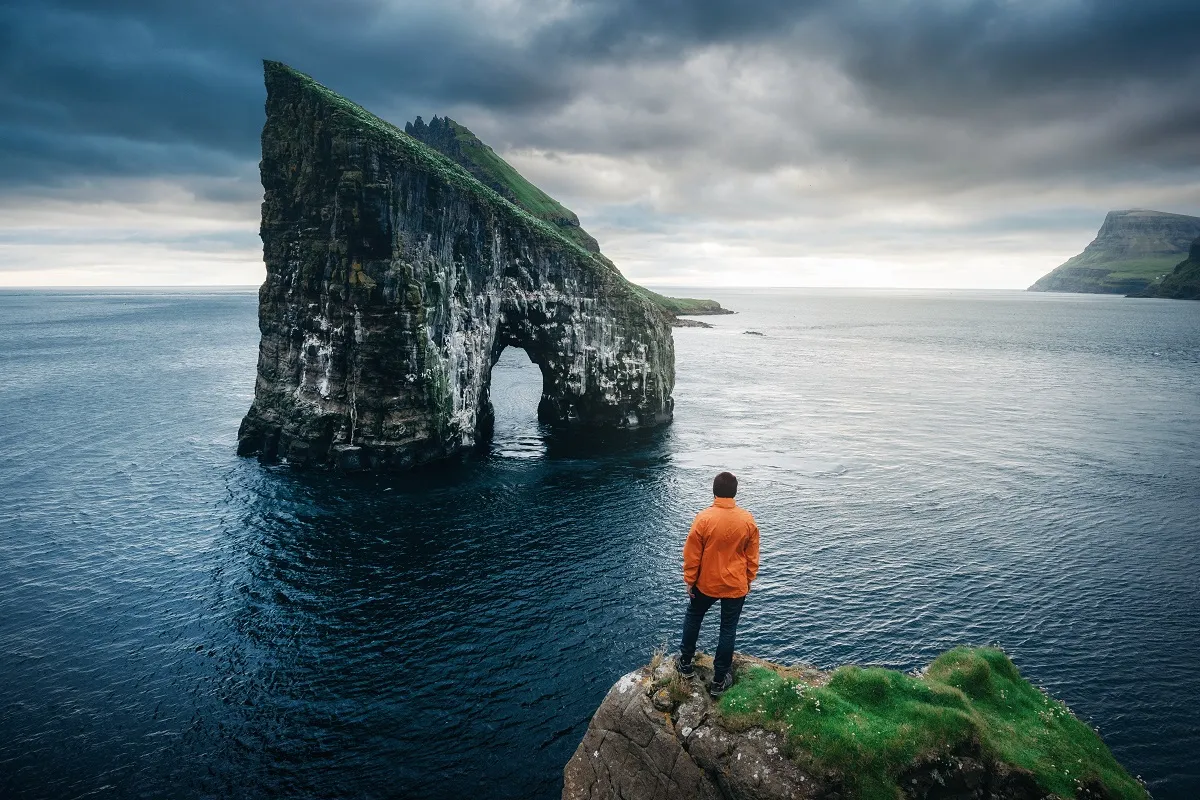
Weather plays a big role in hiking in the Faroe Islands. Conditions can change quickly, especially in the mountains. Fog, wind, and rain are common, even in summer.
Before hiking, it is important to check the weather forecast and choose a route that matches your experience level. Letting someone know where you are going is also a good idea, especially for longer hikes.
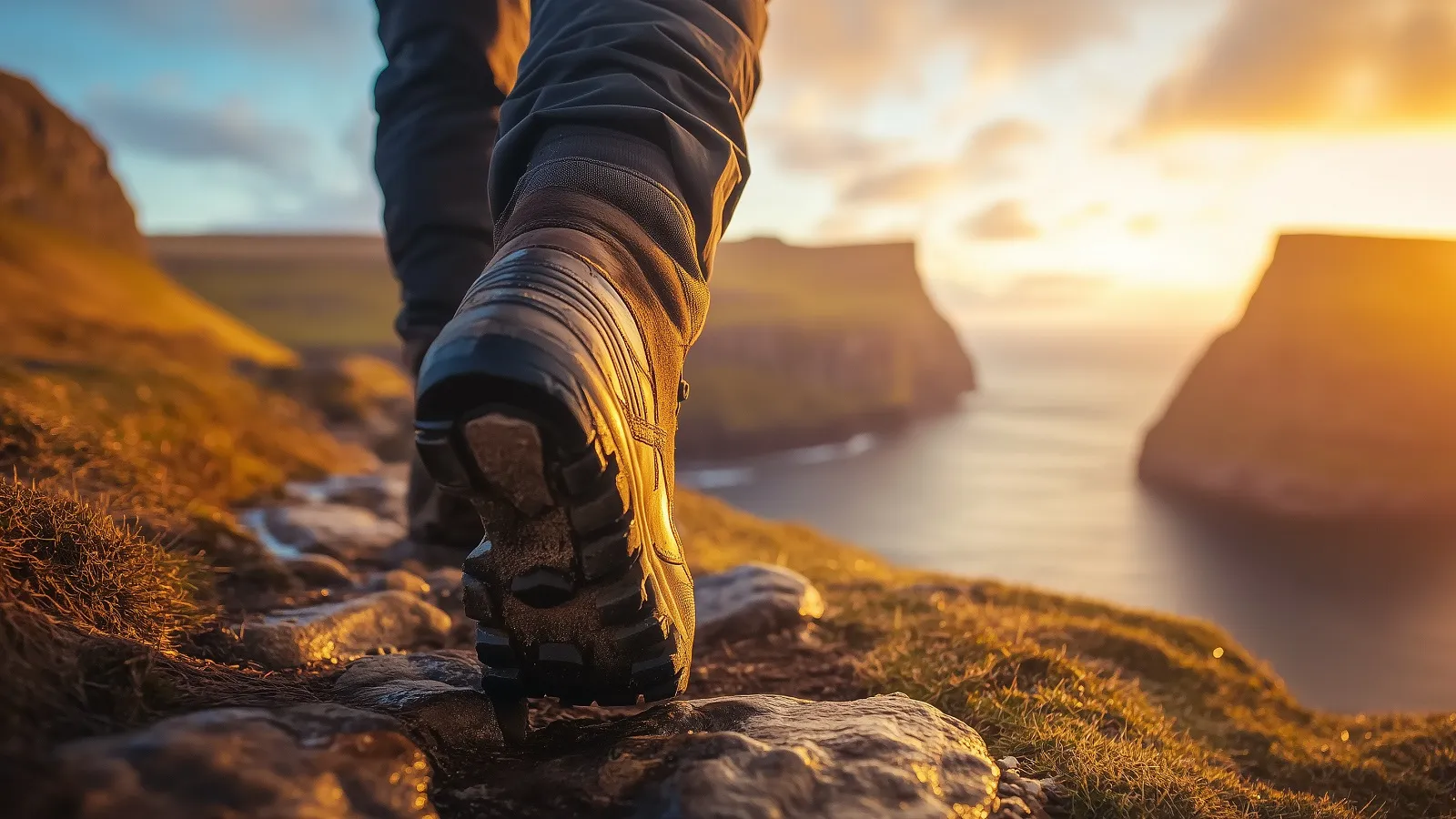
Good hiking shoes, warm clothing, and waterproof layers are essential. Even on short hikes, it is better to be prepared. Hiking slowly and turning back if conditions worsen is always the right choice.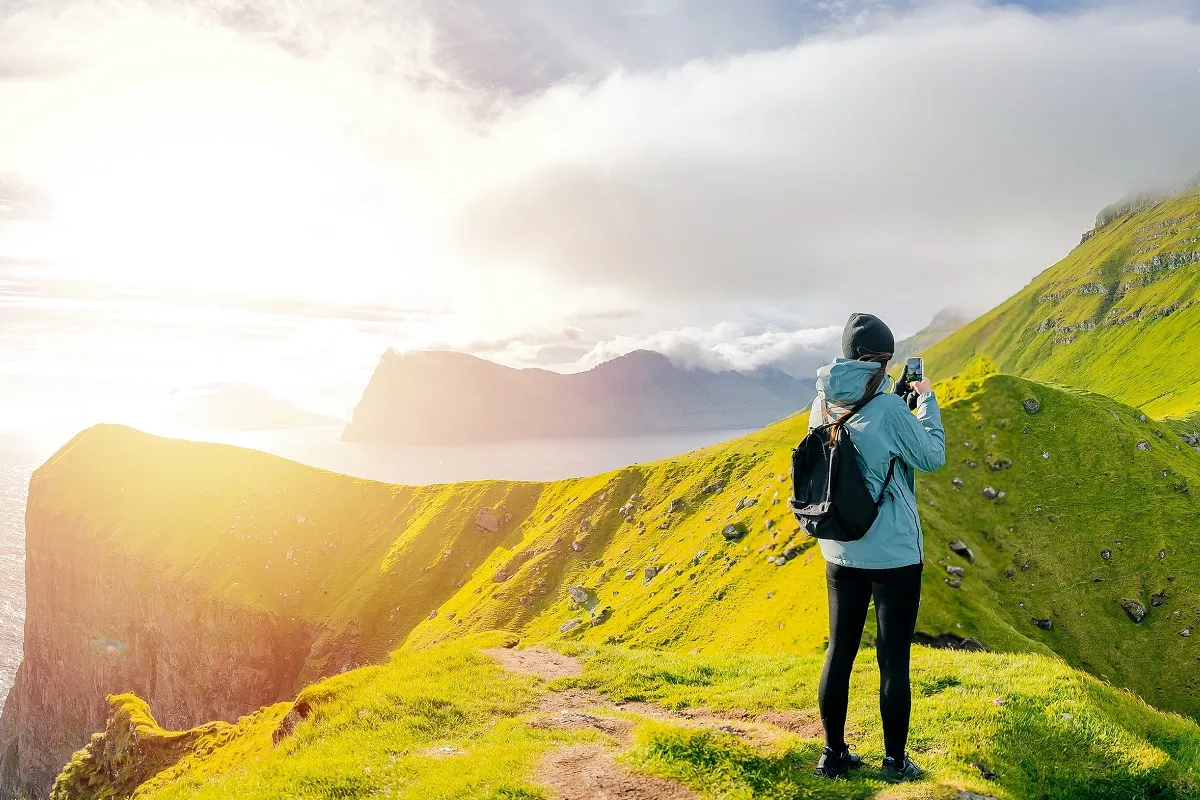
Much of the land in the Faroe Islands is privately owned. This means hikers must follow local rules and show respect. Some hiking routes require a small access fee, while others may be closed during certain times of the year.
Staying on marked paths, closing gates behind you, and avoiding disturbing animals are all important. Sheep often graze freely, and hikers should keep a safe distance.
By hiking responsibly, visitors help protect nature and maintain good relationships with local communities. This ensures hiking remains possible and enjoyable for future travelers.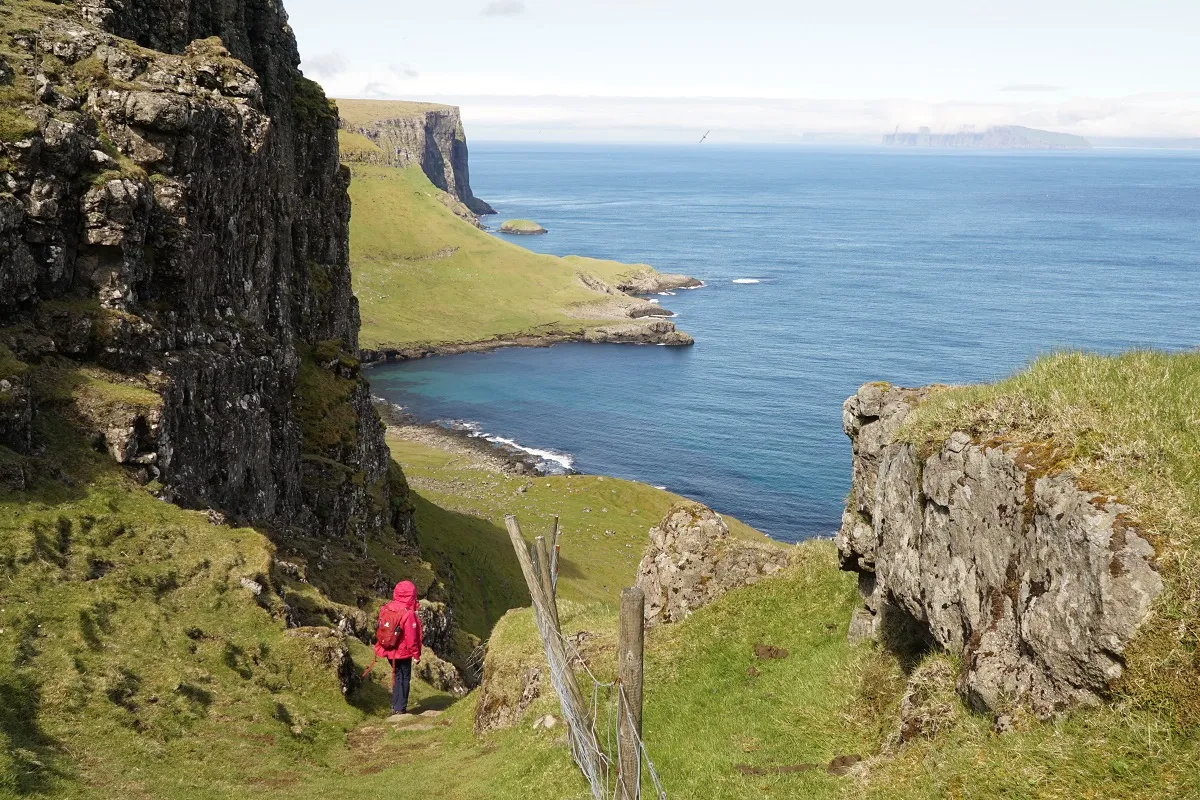
Many of the best hiking areas in the Faroe Islands are far from towns and bus routes. Having a rental car makes it much easier to reach trail starting points and return comfortably after a hike.
With a car, you can choose hikes based on weather conditions, drive to another island if fog sets in, or combine short hikes with sightseeing. It also allows you to carry extra clothing, food, and water easily.
For many visitors, the best days combine scenic driving with one or two hikes, creating a balanced and relaxed experience.
Make the most of your hiking adventure by combining freedom, flexibility, and comfort. With a rental car, you can reach trailheads with ease, adjust plans based on the weather, and fully enjoy the islands’ ever-changing landscapes.
Rent a car today and start your journey through the Faroe Islands on your own terms.
The first big thing to know about renting a car here is that there is a relative scarcity of rental cars (around 1,400 rental cars only across all the islands!), which means that prices will get steep, especially during the peak of summer holidays. If you’re planning your visit to the Faroe Islands sometime within the year, do your best to always book in advance. Winter is a good time to snatch up deals—and if you’re smart about which car rental company you choose, you can do so without any worry about cancellation fees.
Google “car rentals in Faroe Islands” and you'll likely find listings for the big car rental companies (Sixt, Kayak, etc). But that’s not all there is. With some locals being too aware of how high car rental prices put off some travelers from visiting their homeland, they’ve set up shop to offer more affordable prices (i.e. our mission in a nutshell!). But it’s not just a matter of pricing. With a local, small team you can expect much more personal support and all the attention that small businesses are known for: ensuring you’re satisfied and sharing with you recommendations.
If you haven’t been lucky enough to nab a car rental winter deal, this is a must-do. Because for many car rental companies (especially the big ones), apart from the rental price of your vehicle, other costs can include cancellation fees and security deposits. The latter can be especially annoying when they charge your credit card immediately for a high deposit, before releasing it with the cost of your bank’s currency exchange fee. Our favorite alternative? Go with a car rental company that doesn’t charge you for cancellations & security deposits.
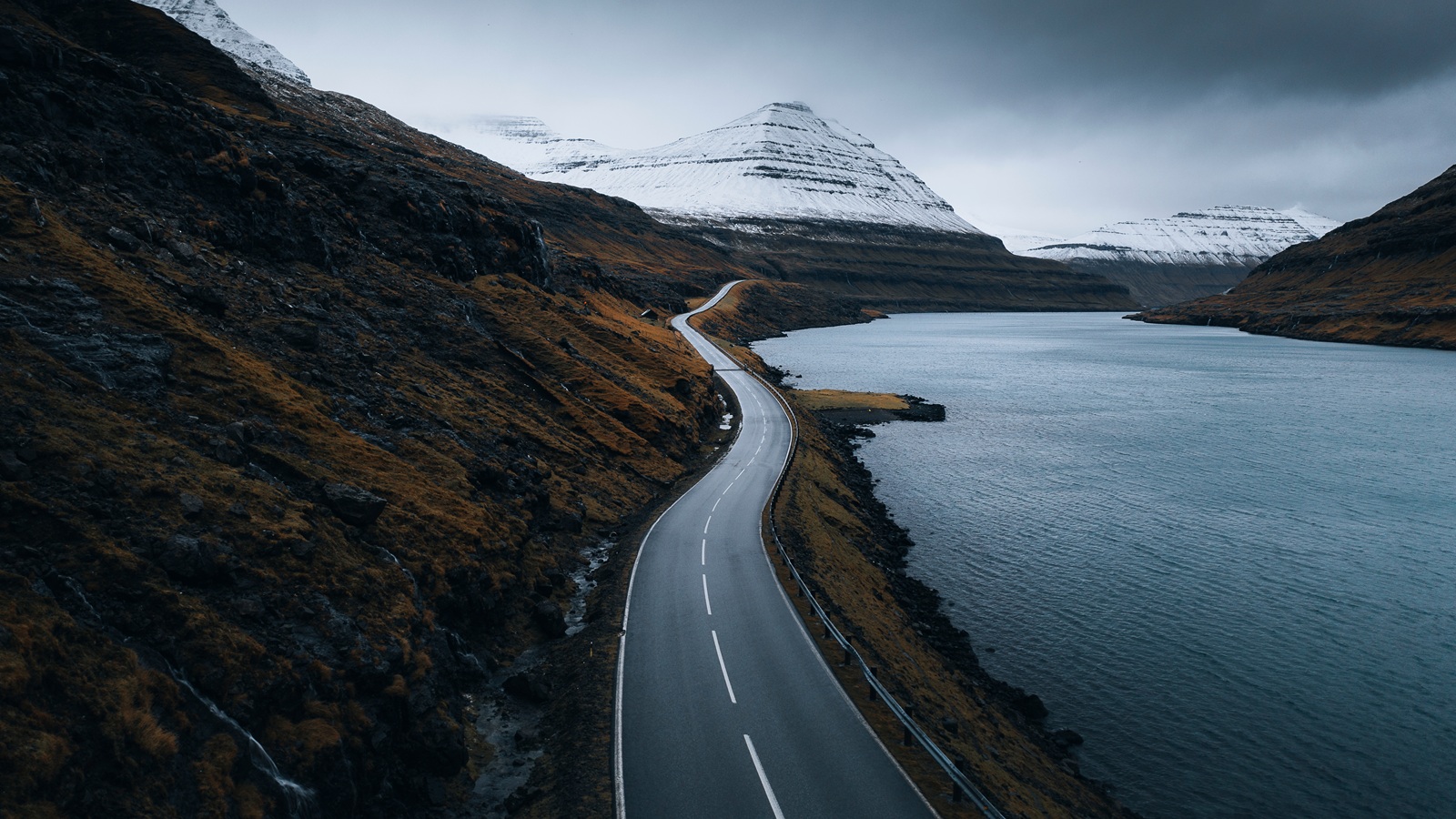
Thought the rocky Faroe Islands would require 4-wheel drives? Not all. Off-road driving is actually banned from the islands, and thanks to a fantastic road network, just a standard car type would do you well for your adventures (even in winter!)
If you haven’t been lucky enough to nab a car rental winter deal, this is a must-do. Because for many car rental companies (especially the big ones), apart from the rental price of your vehicle, other costs can include cancellation fees and security deposits. The latter can be especially annoying when they charge your credit card immediately for a high deposit, before releasing it with the cost of your bank’s currency exchange fee. Our favorite alternative? Go with a car rental company that doesn’t charge you for cancellations & security deposits.
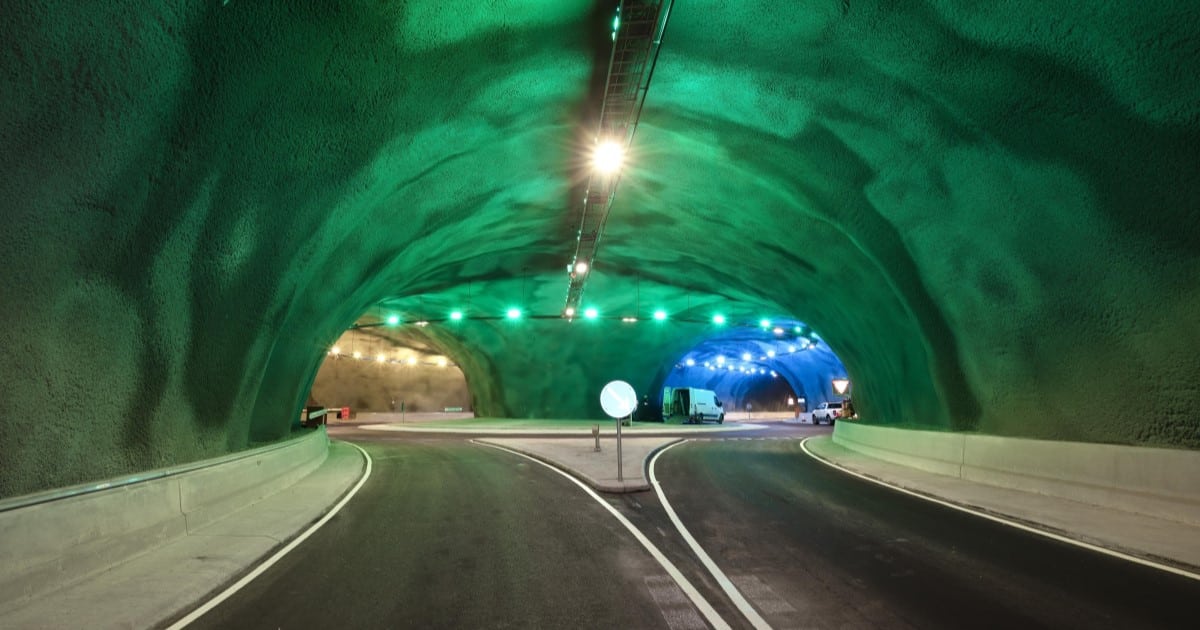
One of the unique things you’ll quickly find out about the Faroe Islands is its many tunnels connecting you all across the archipelago. There are around 20 of them—and they can go either under the seabed itself (sub-sea tunnels) or right through a mighty mountain.
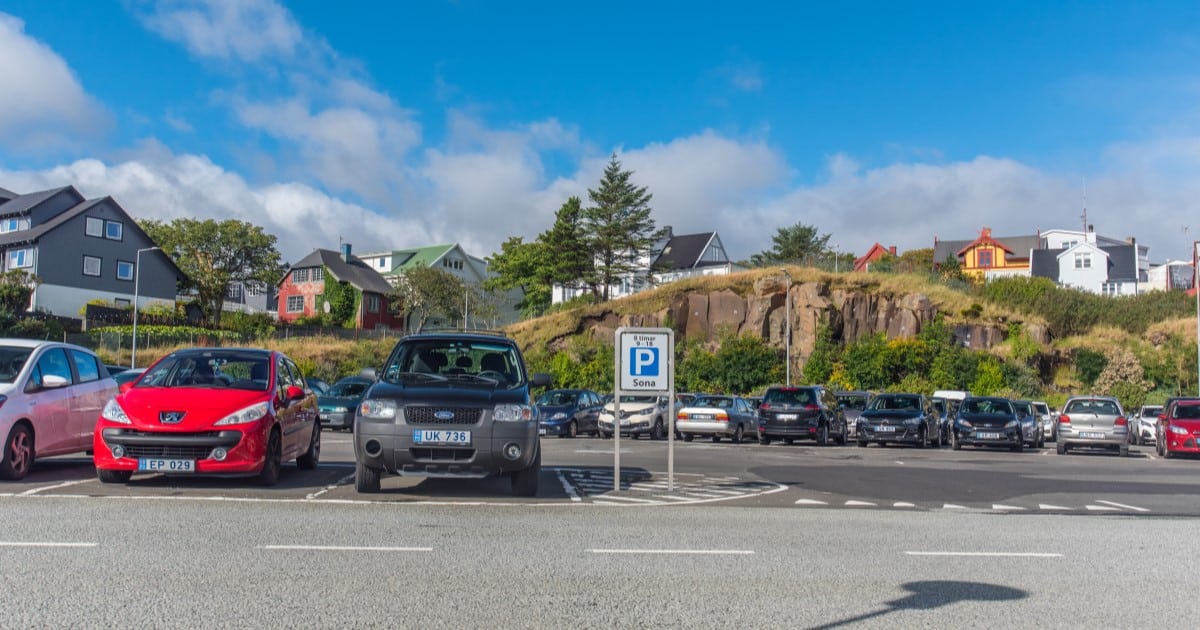
Whether it’s because of the sparsity of the population or the immensity of space around, the Faroe Islands have no parking fees whatsoever…with one exception. If you’re planning to park at the airport, you can expect to pay a fee there—otherwise, park as long as you want, free of charge.
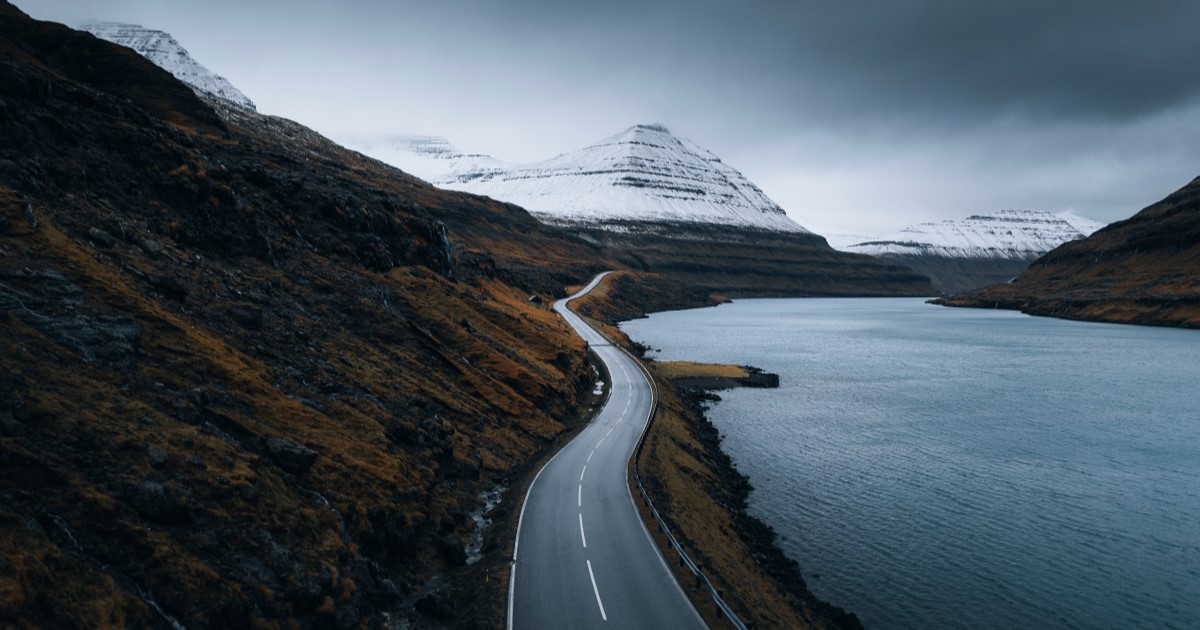
Perhaps a little disappointing to the 4-wheeler adventurers: the Faroe Islands doesn’t permit any off-road driving (officially: it’s prohibited by law). This is to protect the pristine nature all around, much of which is actually private property. So do enjoy your road trips—but on the ample roads, bridges, and tunnels.
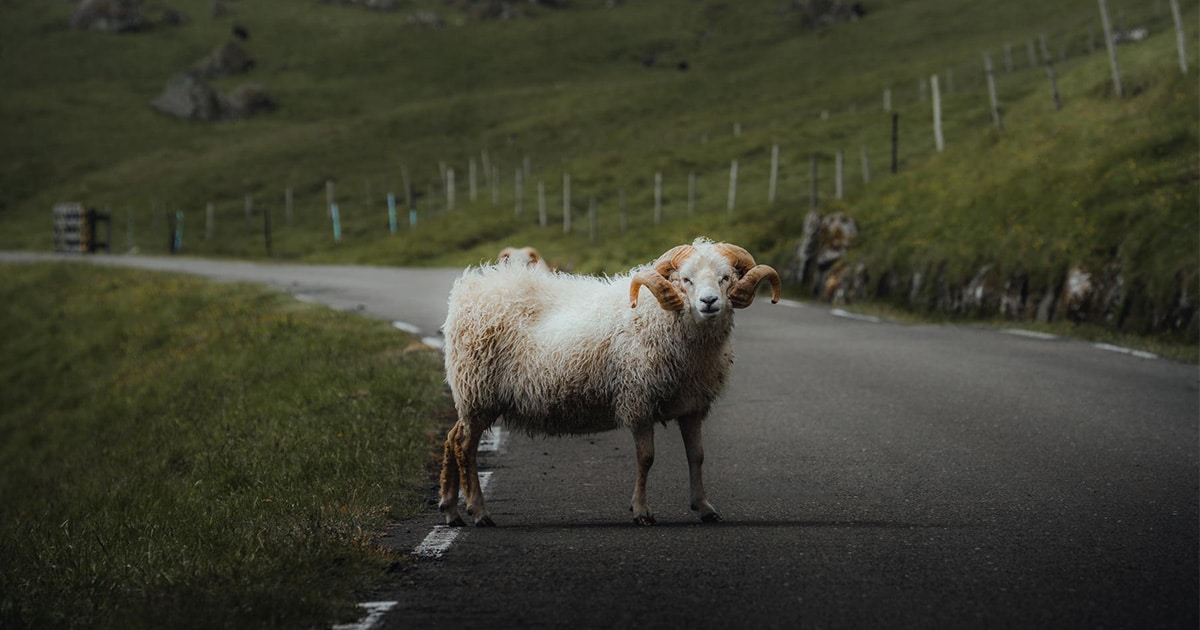
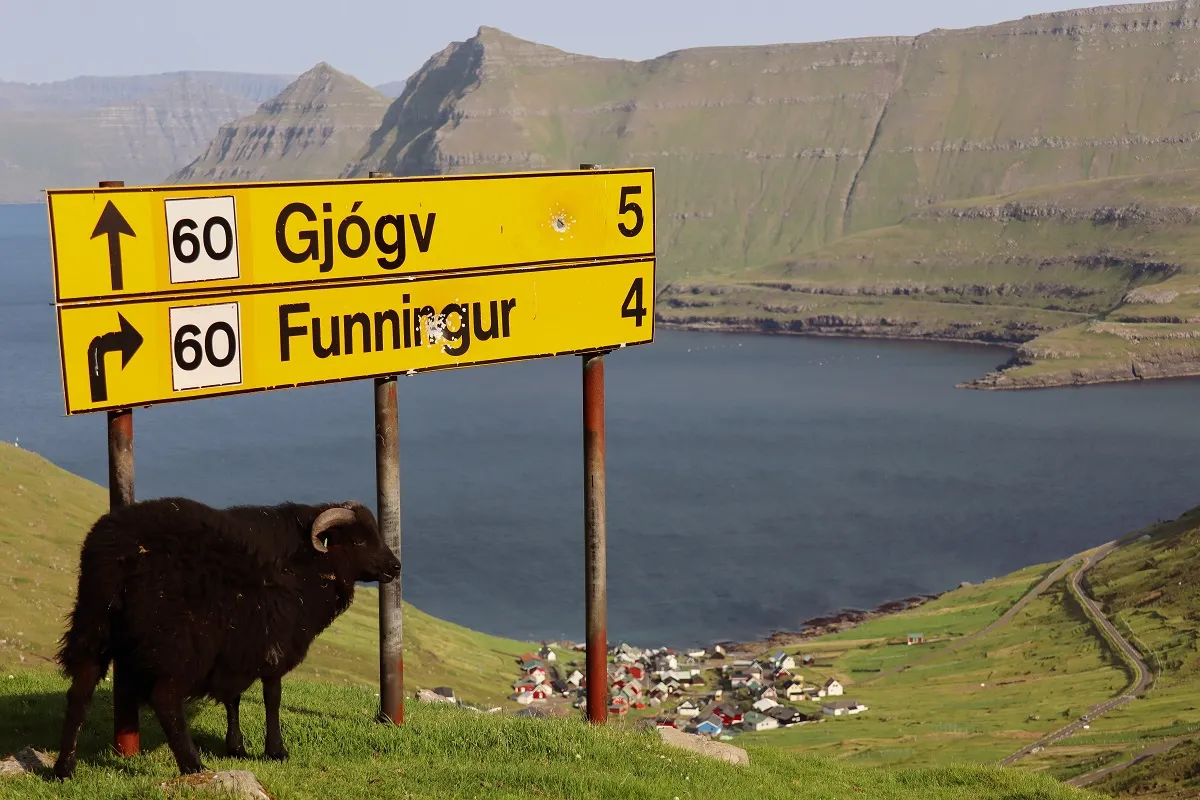
Quintessentially Faroese, when you’re driving around here you’ll very soon be greeted with our most common habitant: wooly sheep. You’ll see them across fields and by roadsides, but just be mindful that some can galavant across the roads (often when in a panic). So when sheep are around, do slow down.
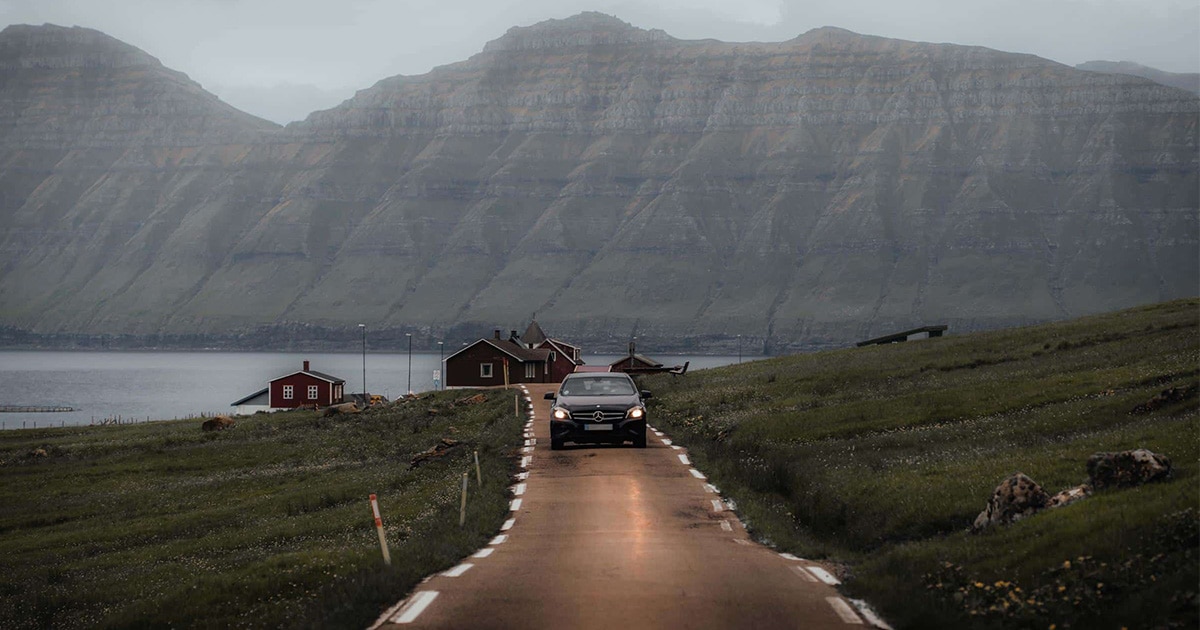
For a quick runthrough of local driving rules: if you’re in town areas, the speed limit is 50 km/h (31 mph)—otherwise, it’s 80 km/h (50 mph). You drive on the right-hand side. It’s illegal to hold a mobile device (or drink alcohol) while driving. And while the legal driving age in the Faroe Islands is 18, most car rental companies will require you to be at least 20-21 years of age.
We’re keeping this part short—only because we’ll be breaking things down for you fully in a separate
blog. But the quick sum of it is: if you’re looking to rent a car for your adventures in the Faroe
Islands, you can either rent from the regular big companies or opt for a local car rental company.
Why we’re biased for the latter? Because, well, that’s what we do—but in our A2B Car Rent way. We make
reservations a breeze, never tie up your money in security deposits, don’t charge cancellation fees
(unless you cancel 72 hours before your pick-up time), and make sure your money goes the furthest for
you.
Our mission has always been to provide the best value car rentals that you can rely on for quality and
friendly, local service.