Hiking in the Faroe Islands: Trails & Tips
Discover hiking in the Faroe Islands, including scenic trails, safety tips and how to reach trailheads. Explore the islands with A2B Car Rent.
Discover hiking in the Faroe Islands, including scenic trails, safety tips and how to reach trailheads. Explore the islands with A2B Car Rent.
Hiking in the Faroe Islands is one of the most unforgettable ways to experience the natural beauty of this remote North Atlantic destination. With dramatic mountains, green valleys, towering sea cliffs, and breathtaking ocean views, the islands offer incredible opportunities for outdoor adventures.
Whether you're an experienced hiker or simply enjoy peaceful walks surrounded by nature, the Faroe Islands have hiking trails for different interests and abilities.
From the famous coastal landscapes of Vágar Island to the spectacular mountain scenery of Eysturoy, exploring the Faroe Islands on foot allows you to discover places that cannot always be appreciated from the road.
The islands are home to some of the most remarkable hiking destinations in the North Atlantic, with trails leading through peaceful valleys, along rugged coastlines, and towards breathtaking mountain viewpoints.
Renting a car in the Faroe Islands makes it easier to reach different hiking destinations, explore beautiful villages, and adjust your plans according to the weather.
In this Faroe Islands hiking guide, we'll explore some of the best hiking trails, popular destinations, essential safety tips, and how having your own rental car can make your adventure more convenient.

The Faroe Islands are home to some of the most scenic hiking routes in the North Atlantic. Each island offers unique landscapes, from coastal cliffs and peaceful valleys to mountain summits overlooking the ocean.
One of the most famous hikes in the Faroe Islands is the trail to Trælanípa on Vágar Island. This spectacular viewpoint creates the illusion that Lake Sørvágsvatn is floating high above the Atlantic Ocean.
The route is popular with photographers and nature lovers, although visitors should check current access arrangements and hiking fees before arriving.
Another beautiful hiking destination is Saksun on Streymoy. Surrounded by steep mountains and a tidal lagoon, Saksun offers incredible scenery and opportunities to explore the surrounding landscape. Visitors should follow permitted routes and respect private land.
For those seeking mountain views, Slættaratindur on Eysturoy is the highest mountain in the Faroe Islands.
On clear days, hikers can enjoy breathtaking panoramic views across the surrounding islands. This hike requires suitable weather, appropriate equipment, and experience with steep mountain terrain.
Gjógv, also located on Eysturoy, is another popular destination for visitors interested in scenic walks and coastal landscapes.
With so many beautiful Faroe Islands hiking trails to discover, choosing the right routes depends on your experience, fitness level, and the weather conditions during your visit.
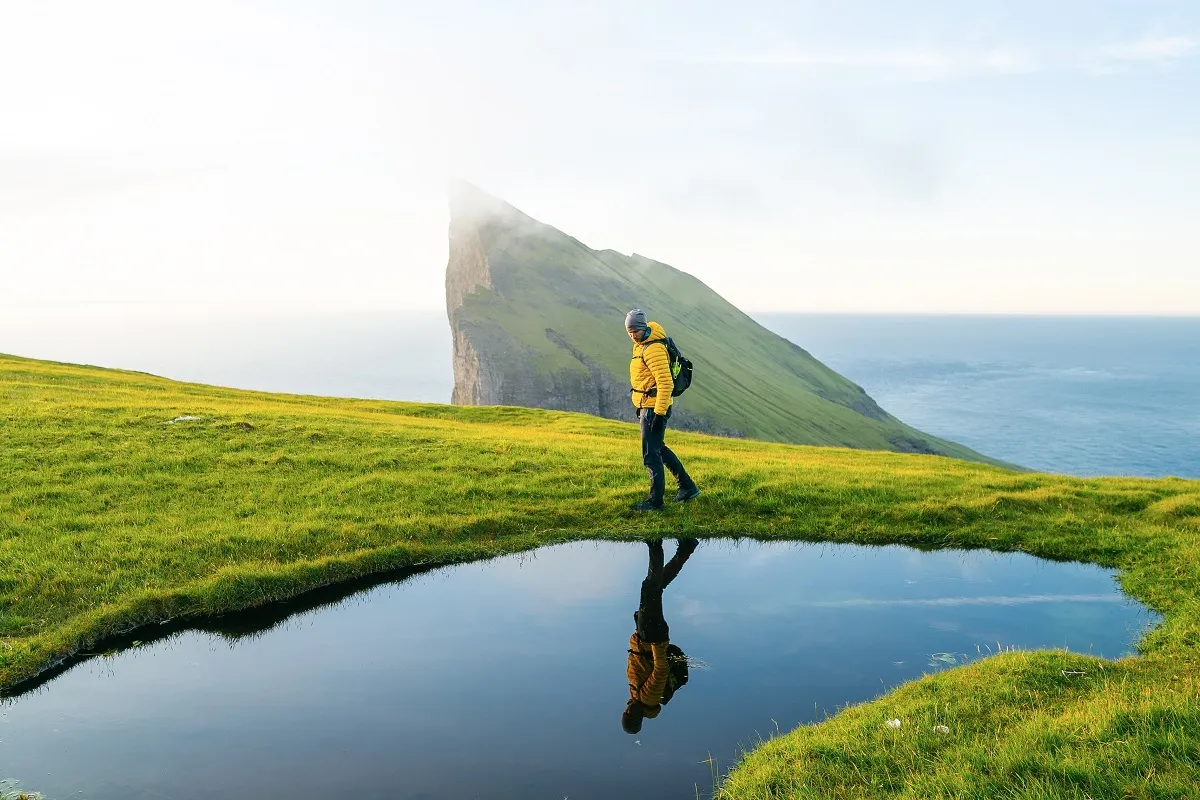
Vágar Island is one of the best places to begin a hiking adventure in the Faroe Islands.
Located near the country's international airport, the island is famous for its dramatic cliffs, beautiful lakes, and spectacular mountain landscapes.
Many visitors choose to explore Vágar shortly after arriving because several popular attractions are located within driving distance of Vágar Airport.
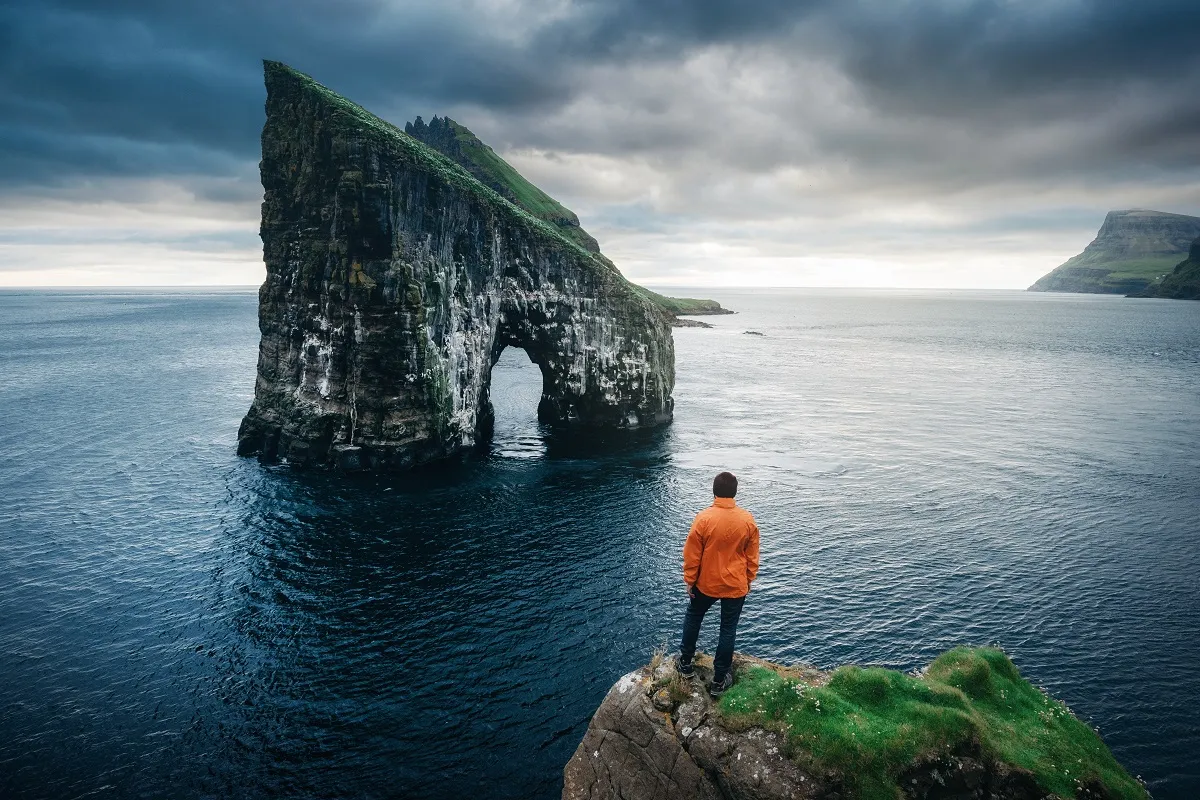
One of the most spectacular natural landmarks on Vágar is Drangarnir, a dramatic sea arch rising from the Atlantic Ocean near the island of Tindhólmur.
The Drangarnir hike is known for its extraordinary coastal scenery, with views of towering cliffs, rugged mountains, and the surrounding ocean.
Access to the Drangarnir hiking route is controlled, and visitors should check current guided-tour requirements, availability, and weather conditions before planning their trip.
Another famous hiking destination is Trælanípa, overlooking Lake Sørvágsvatn. The views from this area are among the most recognisable landscapes in the Faroe Islands.
Gásadalur is another beautiful destination, surrounded by towering mountains and coastal cliffs.
The village is home to the famous Múlafossur Waterfall, which flows over a cliff towards the Atlantic Ocean.
Visitors can enjoy the scenery around Gásadalur and explore permitted walking routes in the surrounding area. More demanding mountain hikes should only be attempted with suitable preparation and local route information.
Bøur and Sørvágur are also excellent places to experience the peaceful atmosphere and beautiful coastal scenery of Vágar Island.
If you're planning several hikes on Vágar, renting a car near Vágar Airport makes travelling between different starting points more convenient.
A2B Car Rent is based in Sørvágur, close to Vágar Airport, making it a practical choice for visitors who want to explore the island before travelling to other parts of the Faroe Islands.
Before beginning your hiking adventure, it's important to understand the weather and natural conditions in the Faroe Islands.
The Faroese weather is known for changing quickly. Sunshine, rain, fog, and strong winds can occur within a short period, even during summer.
For this reason, checking the weather forecast before starting any hike is essential.
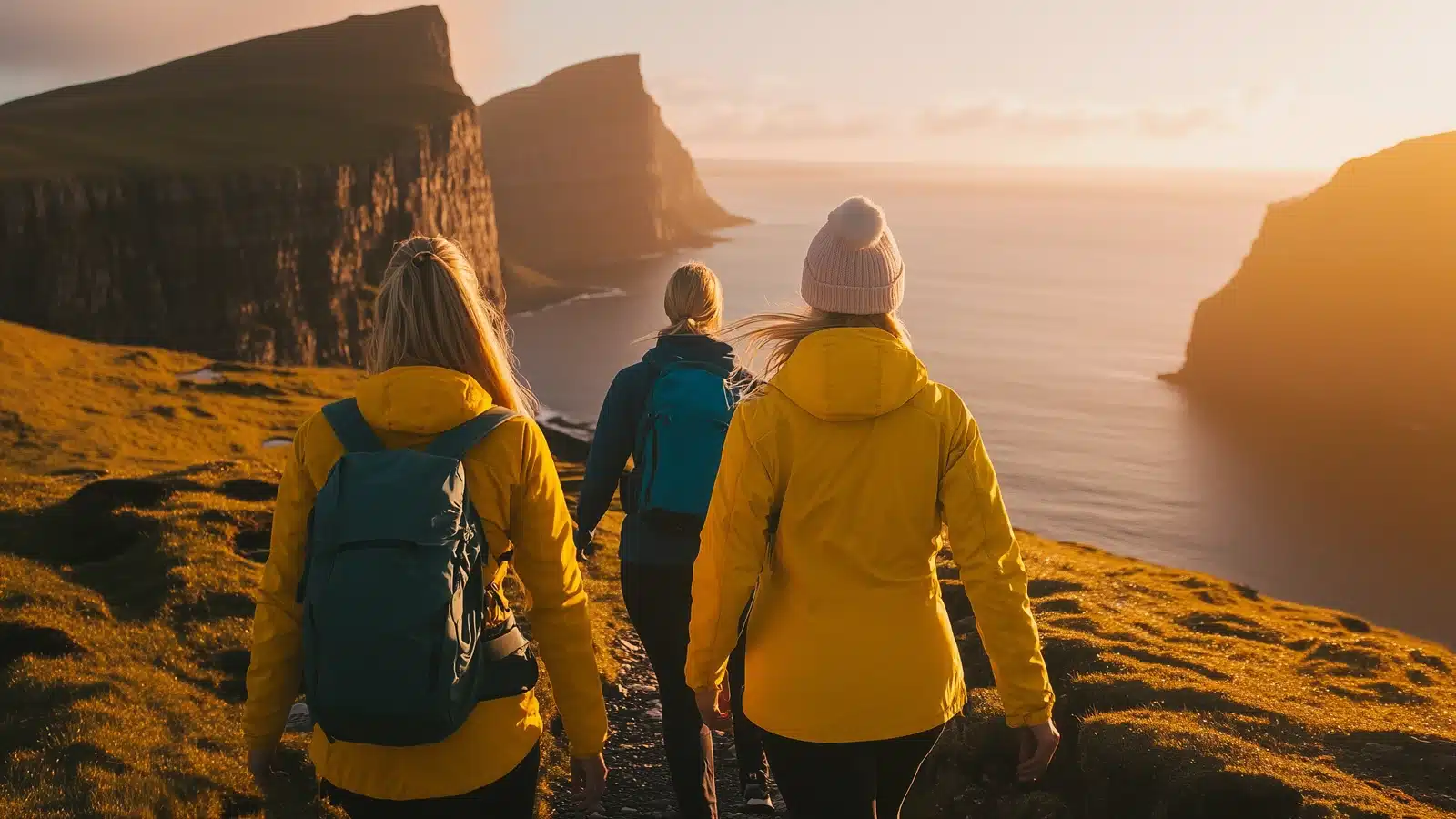
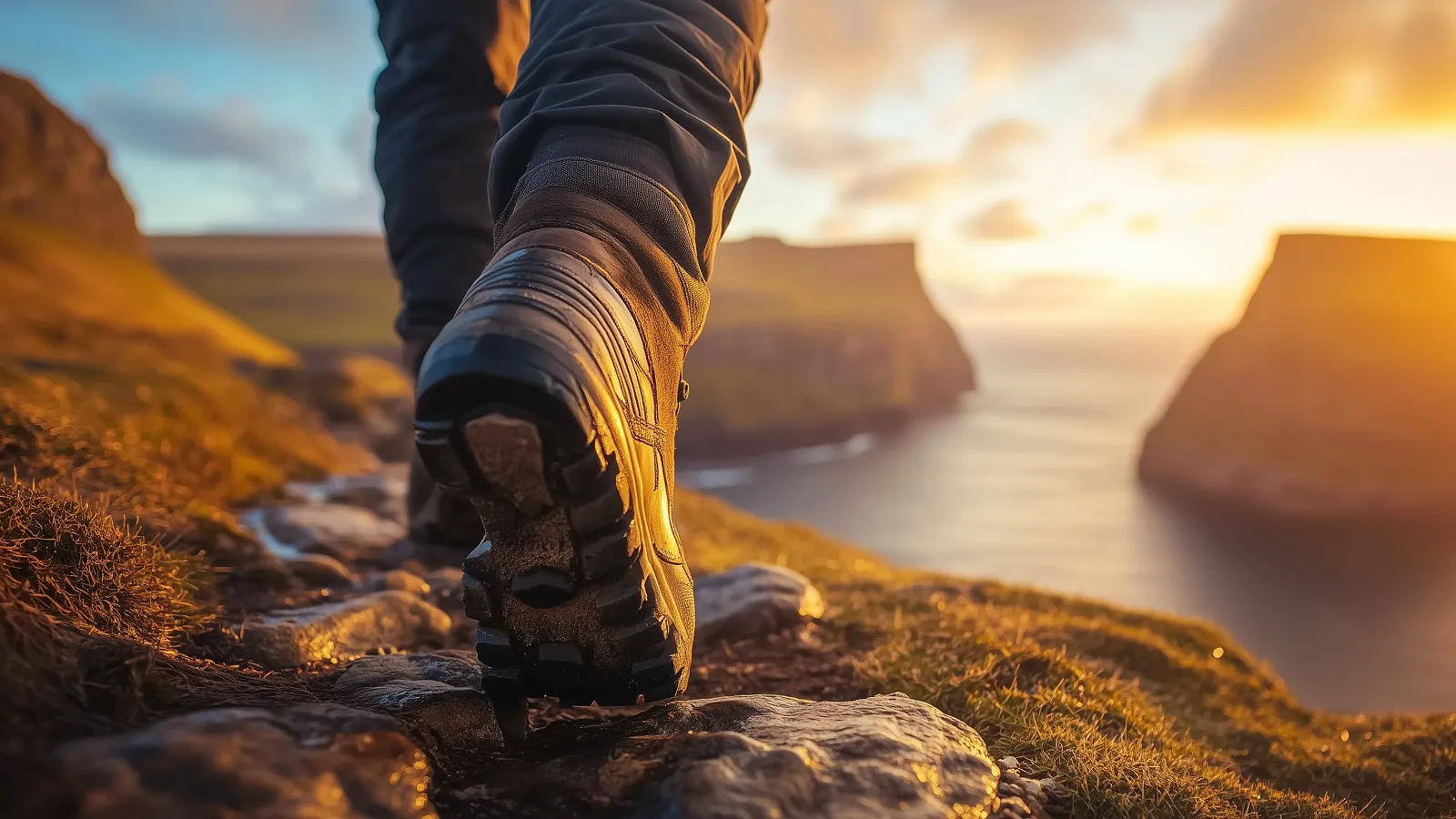
One of the most important Faroe Islands hiking tips is to wear suitable clothing. Waterproof jackets, warm layers, and sturdy hiking boots with good grip are strongly recommended.
Even on relatively short walks, trails can become slippery due to rain, mud, and wet grass.
Fog can also reduce visibility significantly, particularly in mountainous areas. If conditions become unsafe, it is better to postpone your hike or choose an easier route.
Visitors should also remember that many hiking areas cross privately owned land. Some routes require entrance fees, advance bookings, or local guides.
Always follow marked trails where available, respect landowners, and avoid disturbing wildlife.
The Faroe Islands are home to large seabird populations, and certain areas may have seasonal restrictions to protect nesting birds.
When hiking near coastal cliffs, maintain a safe distance from exposed edges, especially during strong winds.
Before setting out, tell someone where you're going, carry a charged phone, and bring enough food and water for your planned route.
With proper preparation, hiking in the Faroe Islands can be a rewarding way to experience the islands' extraordinary landscapes.
Although public transportation connects many villages throughout the Faroe Islands, reaching some hiking starting points can be challenging without your own vehicle.
Bus services operate on fixed schedules, and certain remote locations have limited public transportation options.
Renting a car in the Faroe Islands gives hikers greater flexibility when planning their adventures.
With your own rental car, you can travel between different hiking destinations, adjust your plans according to the weather, and explore several locations during the same trip.
For example, you might spend one day discovering the landscapes of Vágar Island and another exploring the mountains and coastal villages of Eysturoy.
A Faroe Islands car rental is also convenient for carrying hiking boots, waterproof clothing, backpacks, and other outdoor equipment.
Another advantage is the ability to change your plans when weather conditions are unsuitable for hiking.
Instead of waiting for public transportation, you can drive to another part of the islands, visit a village, or enjoy a scenic road trip until conditions improve.
When visiting popular hiking areas, always park in designated parking spaces and avoid blocking narrow roads or private entrances.
For travellers planning an active holiday, having a rental car makes exploring the Faroe Islands more convenient and allows greater freedom to discover beautiful destinations.
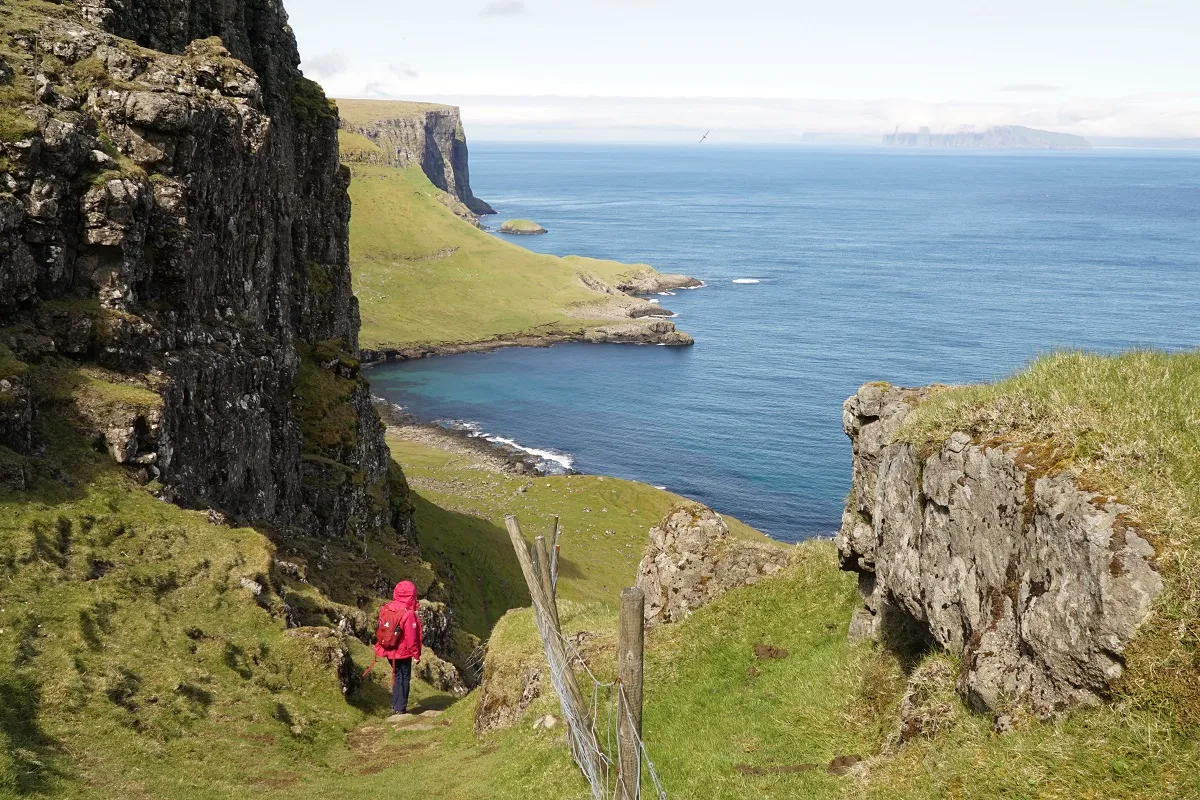
Hiking in the Faroe Islands offers unforgettable opportunities to experience some of Europe's most dramatic natural landscapes.
From the famous cliffs of Vágar to the spectacular mountains of Eysturoy and the peaceful valleys of Streymoy, the islands are filled with beautiful destinations waiting to be explored.
One of the most scenic areas to visit is Eysturoy, known for its dramatic mountains, peaceful villages, and beautiful coastal landscapes.
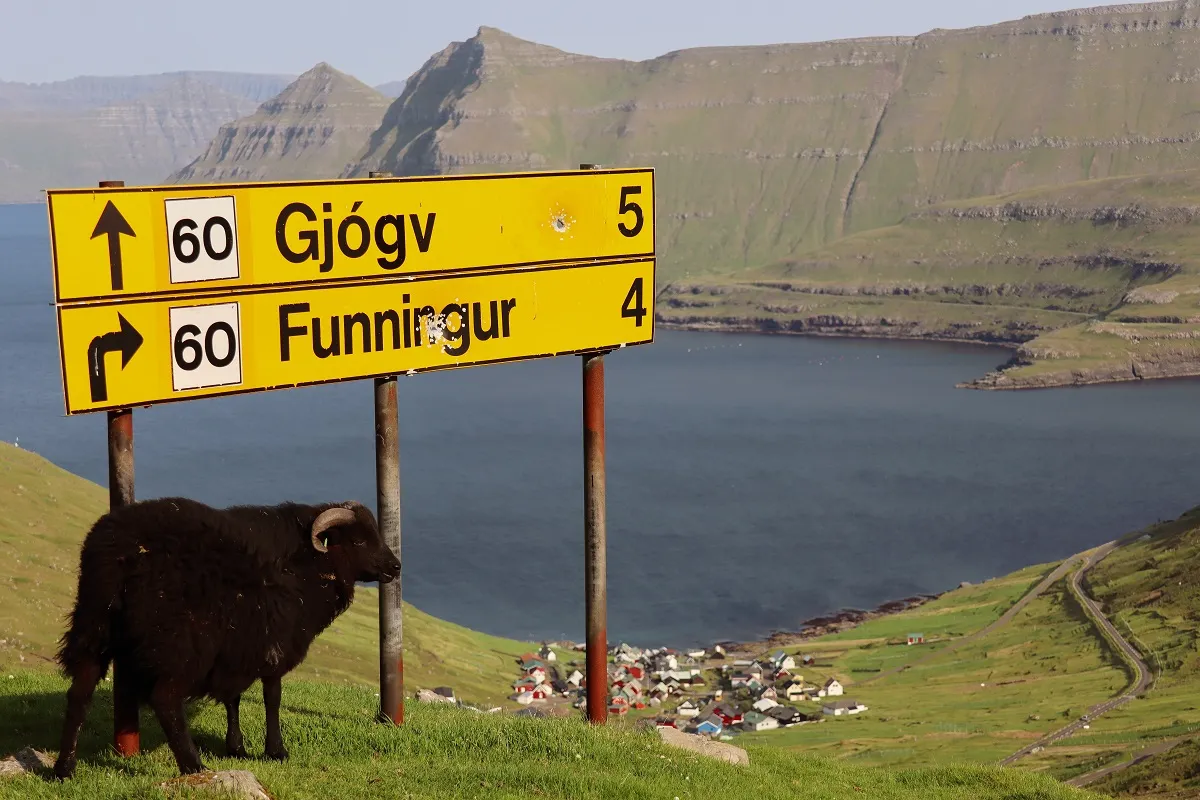
Gjógv is a picturesque village on the northeastern coast of Eysturoy, famous for its natural rock gorge and surrounding mountain scenery.
The village offers opportunities for scenic walks and photography, making it a wonderful destination for visitors interested in experiencing the natural beauty of the Faroe Islands.
Nearby, Funningur is another peaceful village surrounded by steep mountains and a beautiful fjord.
Driving between Gjógv and Funningur allows visitors to enjoy spectacular landscapes and discover traditional Faroese village life.
Sheep are common throughout the countryside, and visitors may occasionally encounter them near roads and hiking areas.
When exploring these destinations, always respect private land, follow permitted routes, and avoid disturbing animals.
Whether you're planning a short scenic walk or a longer mountain adventure, choosing the right hiking destinations is an important part of preparing for your trip.
Visitors should consider the difficulty of each trail, expected walking time, weather conditions, and any access requirements before beginning their hike.
If you're planning to visit several hiking destinations during your holiday, creating a flexible itinerary can help you make the most of your time.
Having your own rental car allows you to explore different islands, discover peaceful villages, and visit beautiful viewpoints between hiking adventures.
Remember to respect the natural environment, follow permitted routes, and always prioritise safety when exploring the Faroese mountains.
Ready to discover the best hiking destinations in the Faroe Islands?
Make your hiking adventure easier with a reliable rental car from A2B Car Rent. Enjoy the freedom to explore breathtaking landscapes, beautiful villages, and scenic hiking trails at your own pace.
A2B Car Rent is a locally owned car rental company based in Sørvágur, near Vágar Airport, offering convenient vehicle collection arrangements and friendly local customer service.
With no security deposit, unlimited mileage, and free cancellation when cancelling at least 72 hours before your scheduled pickup, you can plan your Faroe Islands adventure with greater flexibility.
Start planning your adventure and book your rental car with A2B Car Rent today.
The first big thing to know about renting a car here is that there is a relative scarcity of rental cars (around 1,400 rental cars only across all the islands!), which means that prices will get steep, especially during the peak of summer holidays. If you’re planning your visit to the Faroe Islands sometime within the year, do your best to always book in advance. Winter is a good time to snatch up deals—and if you’re smart about which car rental company you choose, you can do so without any worry about cancellation fees.
Google “car rentals in Faroe Islands” and you'll likely find listings for the big car rental companies (Sixt, Kayak, etc). But that’s not all there is. With some locals being too aware of how high car rental prices put off some travelers from visiting their homeland, they’ve set up shop to offer more affordable prices (i.e. our mission in a nutshell!). But it’s not just a matter of pricing. With a local, small team you can expect much more personal support and all the attention that small businesses are known for: ensuring you’re satisfied and sharing with you recommendations.
If you haven’t been lucky enough to nab a car rental winter deal, this is a must-do. Because for many car rental companies (especially the big ones), apart from the rental price of your vehicle, other costs can include cancellation fees and security deposits. The latter can be especially annoying when they charge your credit card immediately for a high deposit, before releasing it with the cost of your bank’s currency exchange fee. Our favorite alternative? Go with a car rental company that doesn’t charge you for cancellations & security deposits.
Thought the rocky Faroe Islands would require 4-wheel drives? Not all. Off-road driving is actually banned from the islands, and thanks to a fantastic road network, just a standard car type would do you well for your adventures (even in winter!)
If you haven’t been lucky enough to nab a car rental winter deal, this is a must-do. Because for many car rental companies (especially the big ones), apart from the rental price of your vehicle, other costs can include cancellation fees and security deposits. The latter can be especially annoying when they charge your credit card immediately for a high deposit, before releasing it with the cost of your bank’s currency exchange fee. Our favorite alternative? Go with a car rental company that doesn’t charge you for cancellations & security deposits.
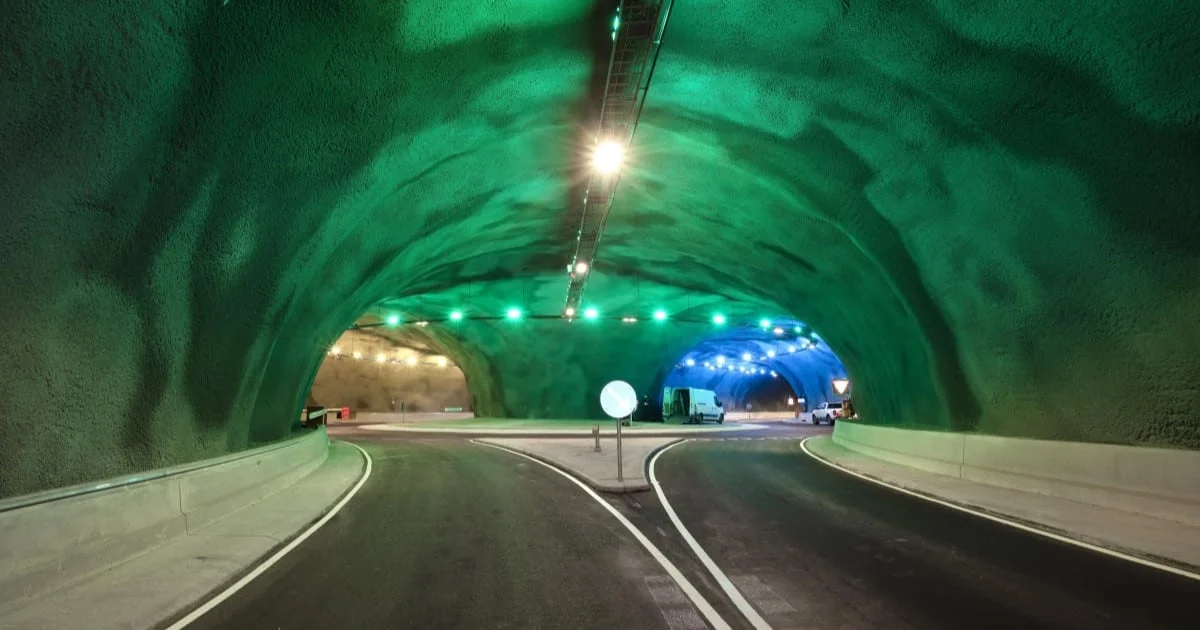
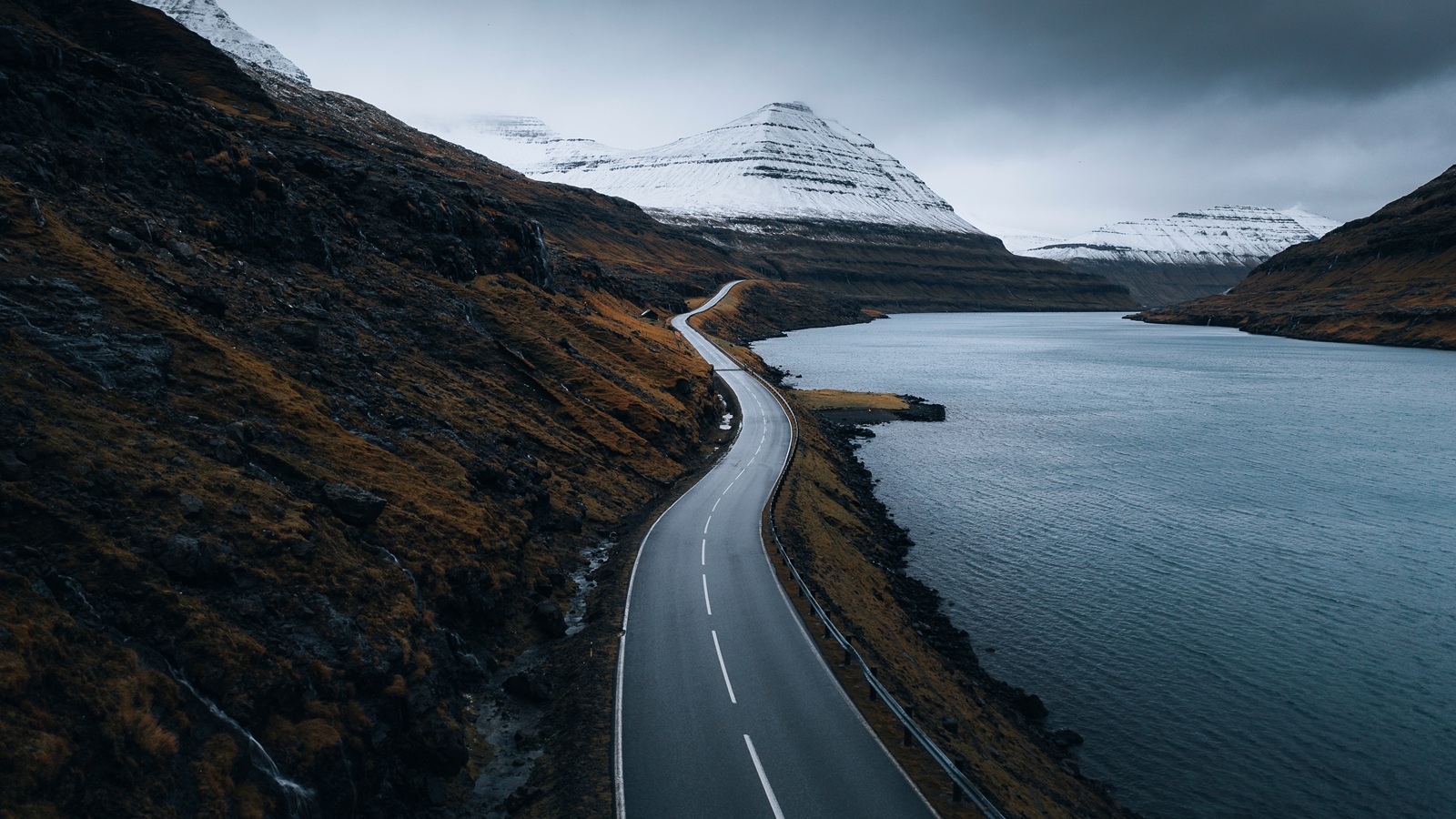
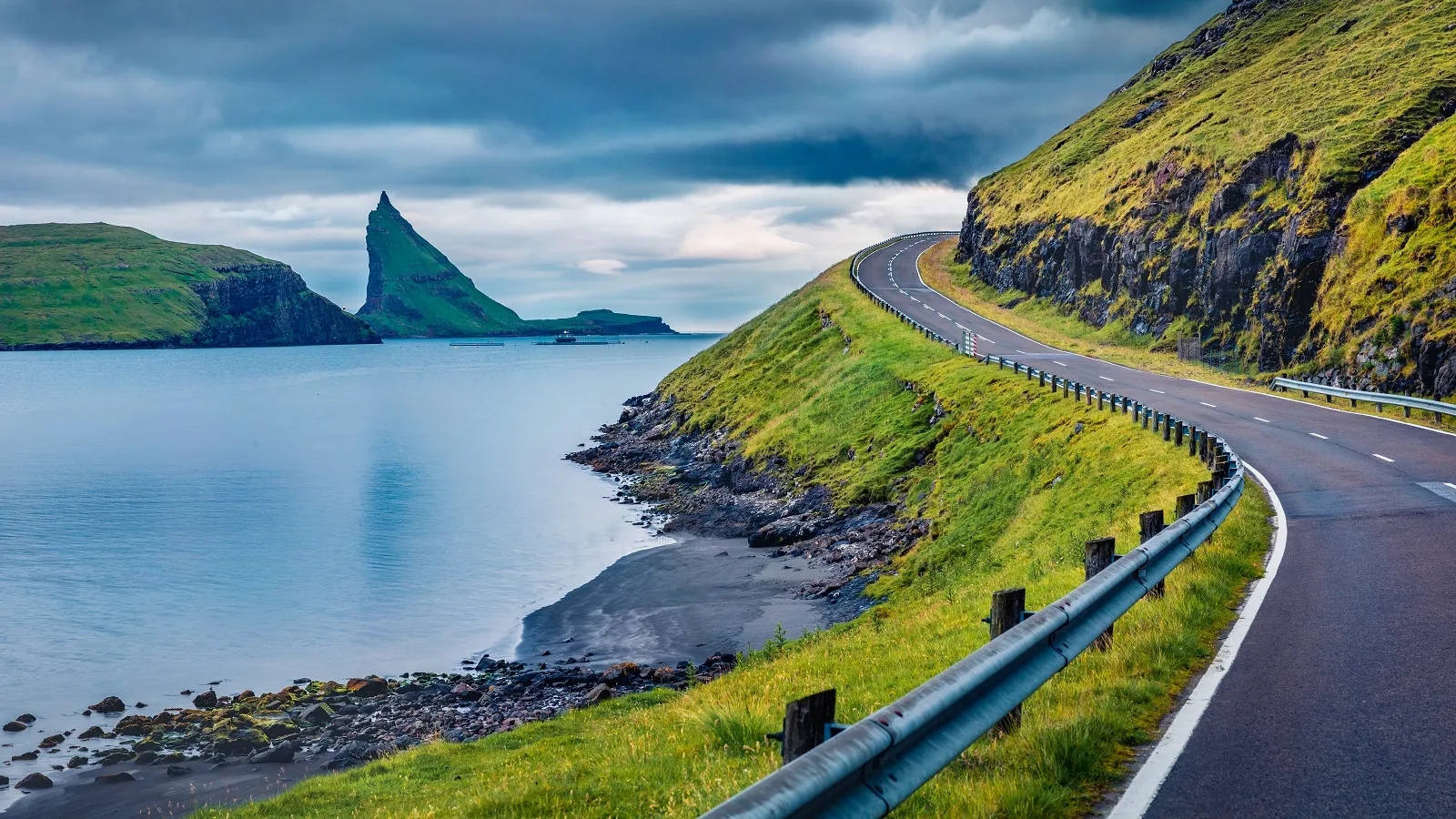
One of the unique things you’ll quickly find out about the Faroe Islands is its many tunnels connecting you all across the archipelago. There are around 20 of them—and they can go either under the seabed itself (sub-sea tunnels) or right through a mighty mountain.
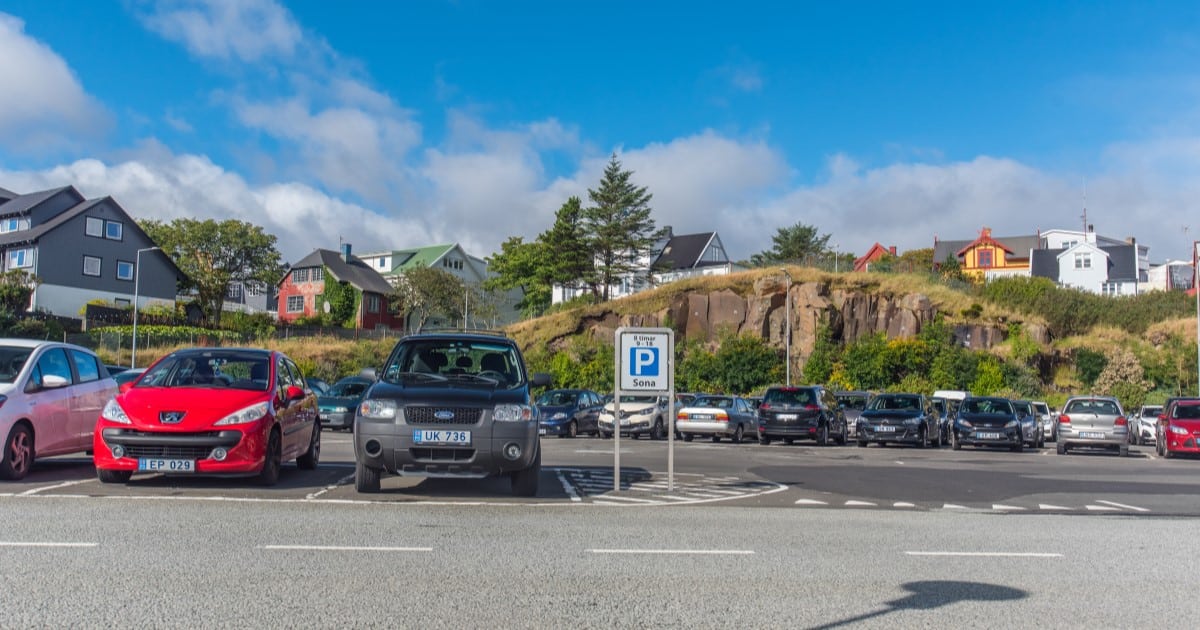
Whether it’s because of the sparsity of the population or the immensity of space around, the Faroe Islands have no parking fees whatsoever…with one exception. If you’re planning to park at the airport, you can expect to pay a fee there—otherwise, park as long as you want, free of charge.
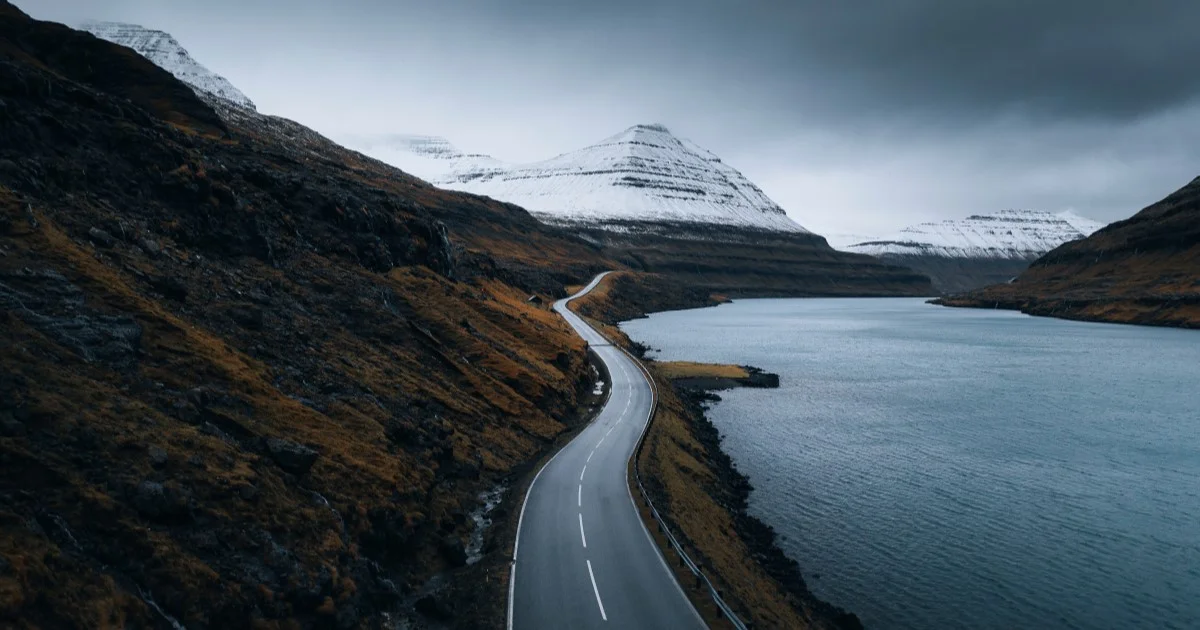
Perhaps a little disappointing to the 4-wheeler adventurers: the Faroe Islands doesn’t permit any off-road driving (officially: it’s prohibited by law). This is to protect the pristine nature all around, much of which is actually private property. So do enjoy your road trips—but on the ample roads, bridges, and tunnels.
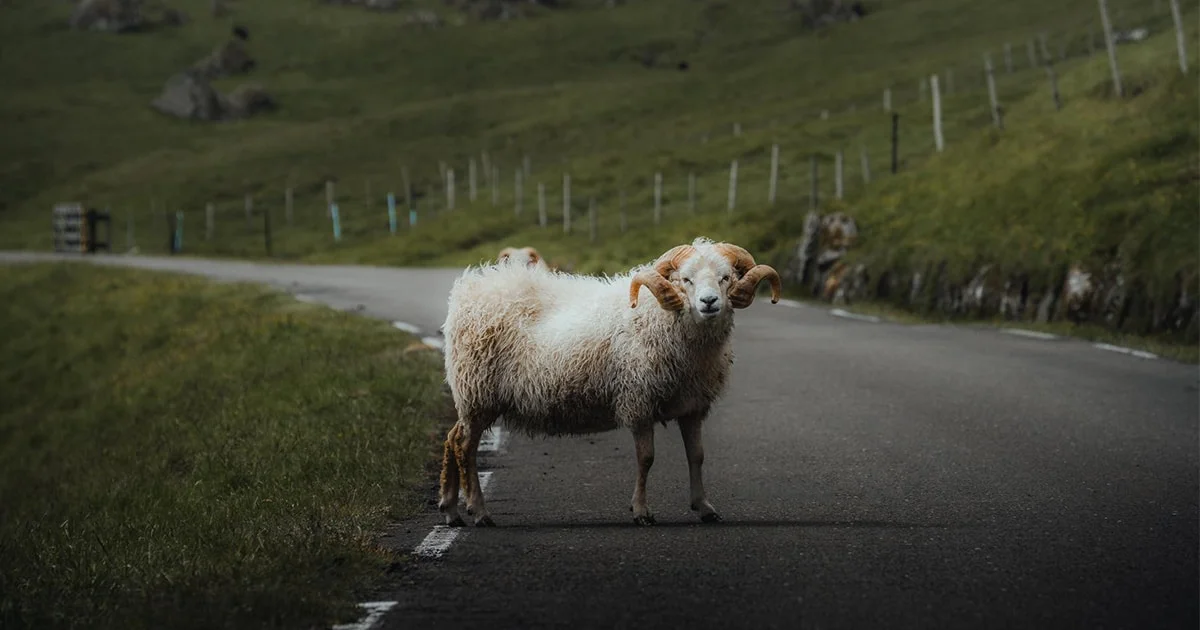
Quintessentially Faroese, when you’re driving around here you’ll very soon be greeted with our most common habitant: wooly sheep. You’ll see them across fields and by roadsides, but just be mindful that some can galavant across the roads (often when in a panic). So when sheep are around, do slow down.
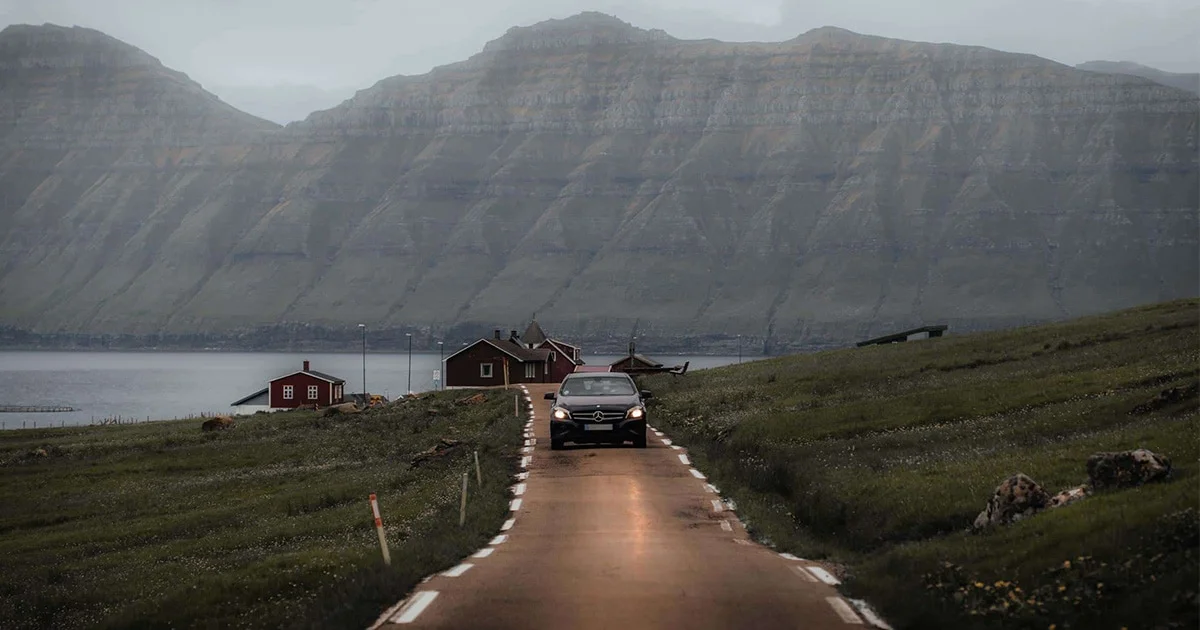
For a quick runthrough of local driving rules: if you’re in town areas, the speed limit is 50 km/h (31 mph)—otherwise, it’s 80 km/h (50 mph). You drive on the right-hand side. It’s illegal to hold a mobile device (or drink alcohol) while driving. And while the legal driving age in the Faroe Islands is 18, most car rental companies will require you to be at least 20-21 years of age.
We’re keeping this part short—only because we’ll be breaking things down for you fully in a separate
blog. But the quick sum of it is: if you’re looking to rent a car for your adventures in the Faroe
Islands, you can either rent from the regular big companies or opt for a local car rental company.
Why we’re biased for the latter? Because, well, that’s what we do—but in our A2B Car Rent way. We make
reservations a breeze, never tie up your money in security deposits, don’t charge cancellation fees
(unless you cancel 72 hours before your pick-up time), and make sure your money goes the furthest for
you.
Our mission has always been to provide the best value car rentals that you can rely on for quality and
friendly, local service.