Faroe Islands Weather: What Travelers Should Expect
Discover what to expect from Faroe Islands weather, including seasonal temperatures, rain, wind, driving conditions and what to pack for your road trip.
Discover what to expect from Faroe Islands weather, including seasonal temperatures, rain, wind, driving conditions and what to pack for your road trip.
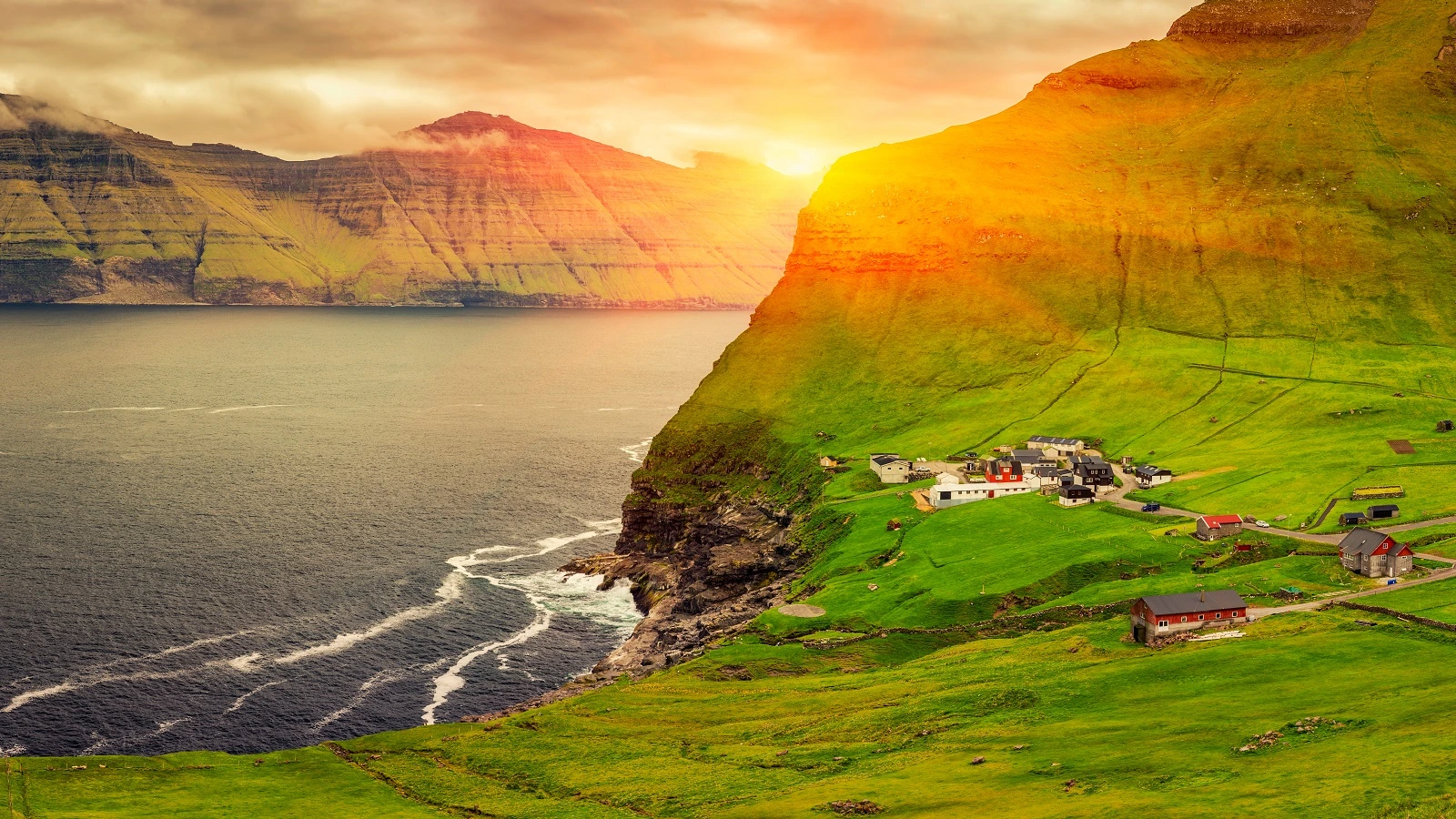
The Faroe Islands are famous for their dramatic landscapes, green mountains, beautiful waterfalls, and unpredictable weather. Located in the North Atlantic Ocean between Iceland and Scotland, these islands experience a maritime climate that can change surprisingly quickly throughout the day.
Understanding Faroe Islands weather is an important part of planning your visit. Whether you're exploring charming villages, driving along scenic coastal roads, or hiking through the mountains, the weather can influence your experience.
One of the most fascinating things about the weather in the Faroe Islands is how different conditions can be from one location to another. You might experience sunshine in one village while clouds and rain cover the mountains just a short drive away.
The changing weather is also part of what makes the islands so beautiful. Sunlight breaking through clouds, mist rolling across green hillsides, and dramatic skies over the Atlantic Ocean create unforgettable scenery.
For travellers planning a Faroe Islands road trip, having a rental car offers the flexibility to explore different areas and adjust travel plans according to the conditions.
In this guide, we'll explain what to expect from the weather throughout the year, how it affects driving and outdoor activities, and how to prepare for your adventure.
.webp)
Wind, rain, and fog are important features of the Faroe Islands' natural environment.
The islands' location in the North Atlantic means that strong winds can occur throughout the year, especially during autumn and winter.
These weather conditions help create the dramatic green landscapes, waterfalls, and rugged coastal scenery that attract visitors from around the world.
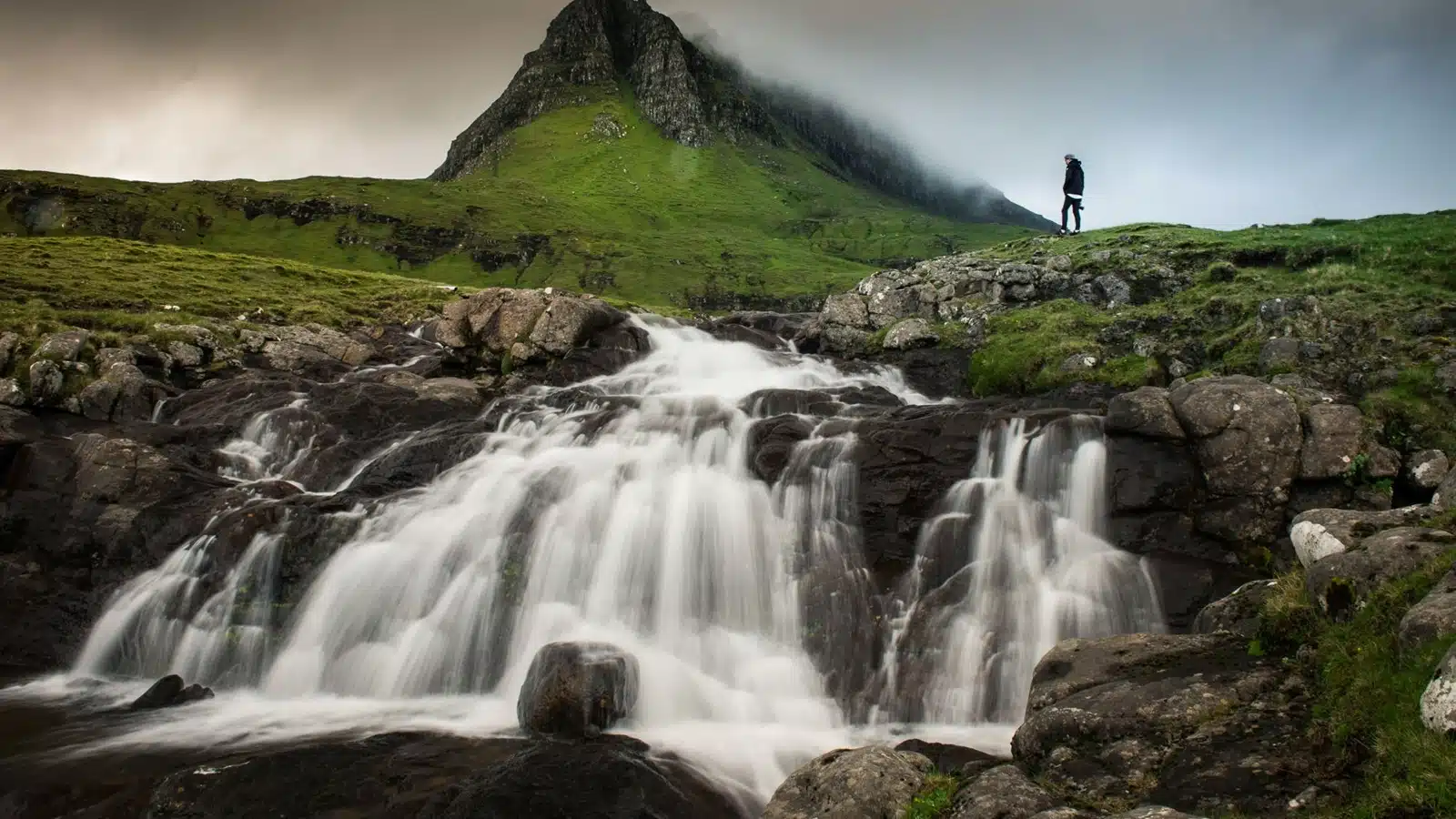
Rainfall keeps the hillsides green and feeds the many streams and waterfalls found throughout the islands.
After periods of heavy rain, waterfalls can become particularly impressive as water cascades down steep mountainsides.
Fog is another common feature of the Faroese landscape.
Low clouds can cover mountain peaks and reduce visibility, creating a mysterious atmosphere across the valleys and fjords.
For photographers, these changing conditions can provide remarkable opportunities to capture dramatic landscapes.
However, travellers should always be careful when exploring exposed viewpoints or coastal cliffs.
Strong winds can make some locations dangerous, particularly near steep drops.
When visiting natural attractions, stay on designated paths and maintain a safe distance from cliff edges.
Sheep are also commonly seen grazing on green hillsides throughout the islands, and drivers should remain alert when travelling through rural areas.
By respecting the weather and the surrounding environment, visitors can enjoy the extraordinary natural beauty of the Faroe Islands safely.
.webp)
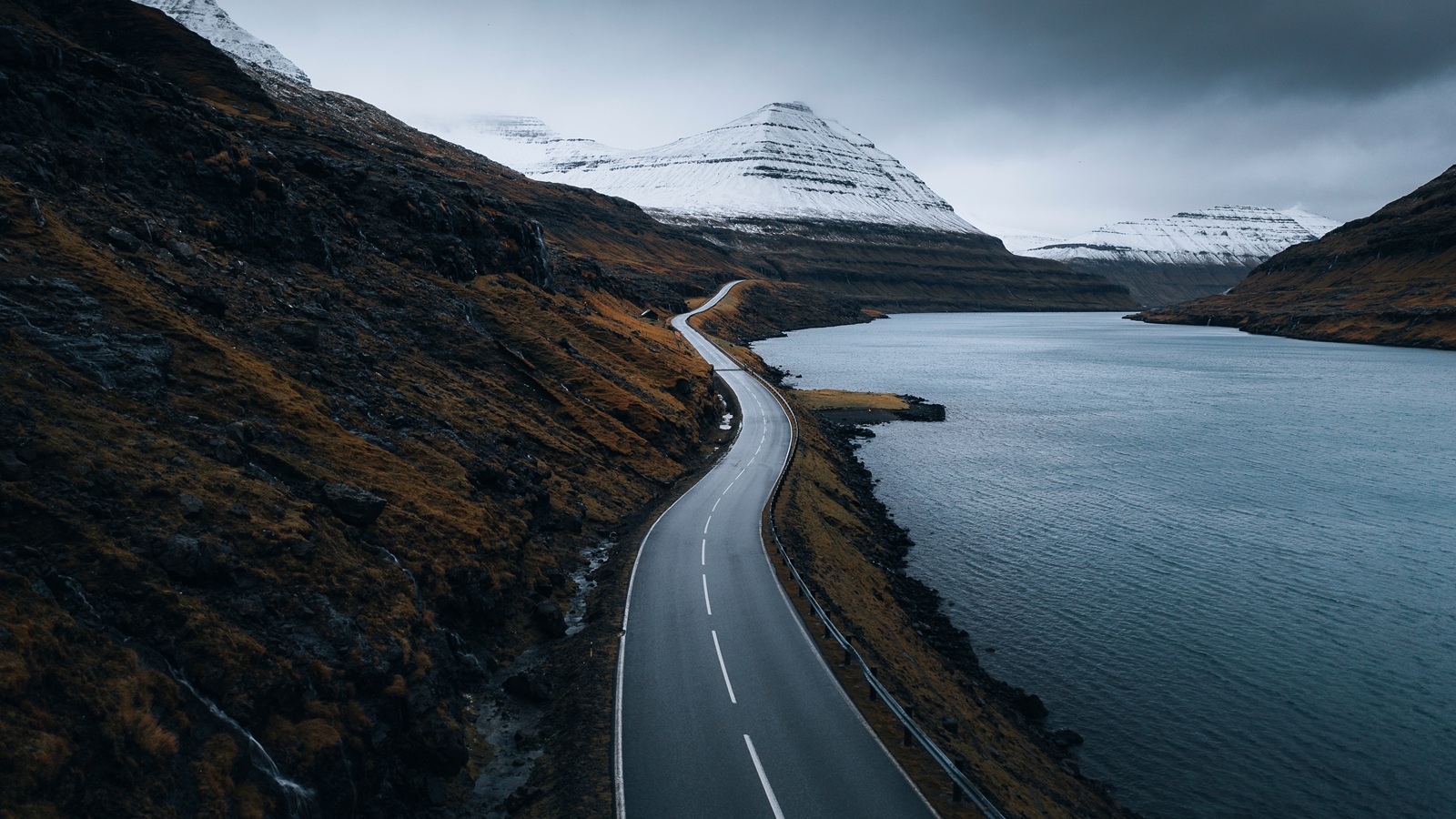
Driving in the Faroe Islands is one of the best ways to experience the changing landscapes and beautiful coastal scenery.
The road network connects many of the main islands through bridges and underwater tunnels, making it convenient to explore different destinations.
However, changing weather conditions mean that drivers should always remain attentive.
Rain can make road surfaces slippery, while fog may significantly reduce visibility on mountain roads.
Strong winds can also affect driving, particularly in exposed coastal areas and mountain passes.
During winter, some roads may experience snow, ice, or temporary restrictions.
Before beginning your journey, check the latest weather forecast and road conditions.
The general speed limit is 50 km/h in populated areas and 80 km/h outside populated areas, unless road signs indicate otherwise.
Always adjust your speed to the road conditions, visibility, and weather.
Headlights should be used as required by Faroese traffic regulations, and drivers should maintain a safe distance from other vehicles.
Many roads pass through narrow valleys or along steep mountainsides, so careful driving is especially important.
If weather conditions become difficult, consider postponing your journey or choosing another destination.
One advantage of renting a car in the Faroe Islands is the flexibility to adjust your itinerary.
If heavy fog covers one mountain area, another part of the islands may offer clearer skies and better visibility.
With sensible planning and careful driving, a Faroe Islands road trip can be a memorable experience in almost any season.
.webp)
One of the most spectacular results of the Faroese climate is the abundance of beautiful waterfalls throughout the islands.
Frequent rainfall feeds countless streams that flow down steep green mountains and rocky cliffs.
Some waterfalls can be seen directly from scenic coastal roads, while others require short walks or longer hikes.
One of the most famous waterfalls is Múlafossur, located near the village of Gásadalur on Vágar Island.
This waterfall flows over a dramatic coastal cliff towards the Atlantic Ocean and is one of the most photographed attractions in the Faroe Islands.
Another impressive waterfall is Fossá, located on Streymoy.
Fossá is among the tallest waterfalls in the Faroe Islands and becomes particularly spectacular after heavy rainfall.
As you explore the islands by car, you may also discover smaller waterfalls flowing beside mountain roads and fjords.
These waterfalls can look very different depending on the weather.
On sunny days, the surrounding green mountains and blue fjords create beautiful contrasts.
During cloudy or rainy weather, the waterfalls often become part of a more dramatic landscape.
When stopping to photograph waterfalls, always use safe parking areas and avoid obstructing traffic.
Wet rocks and grassy slopes can be slippery, so appropriate footwear is recommended.
For travellers interested in photography and nature, visiting waterfalls is one of the most rewarding things to do in the Faroe Islands.
.webp)
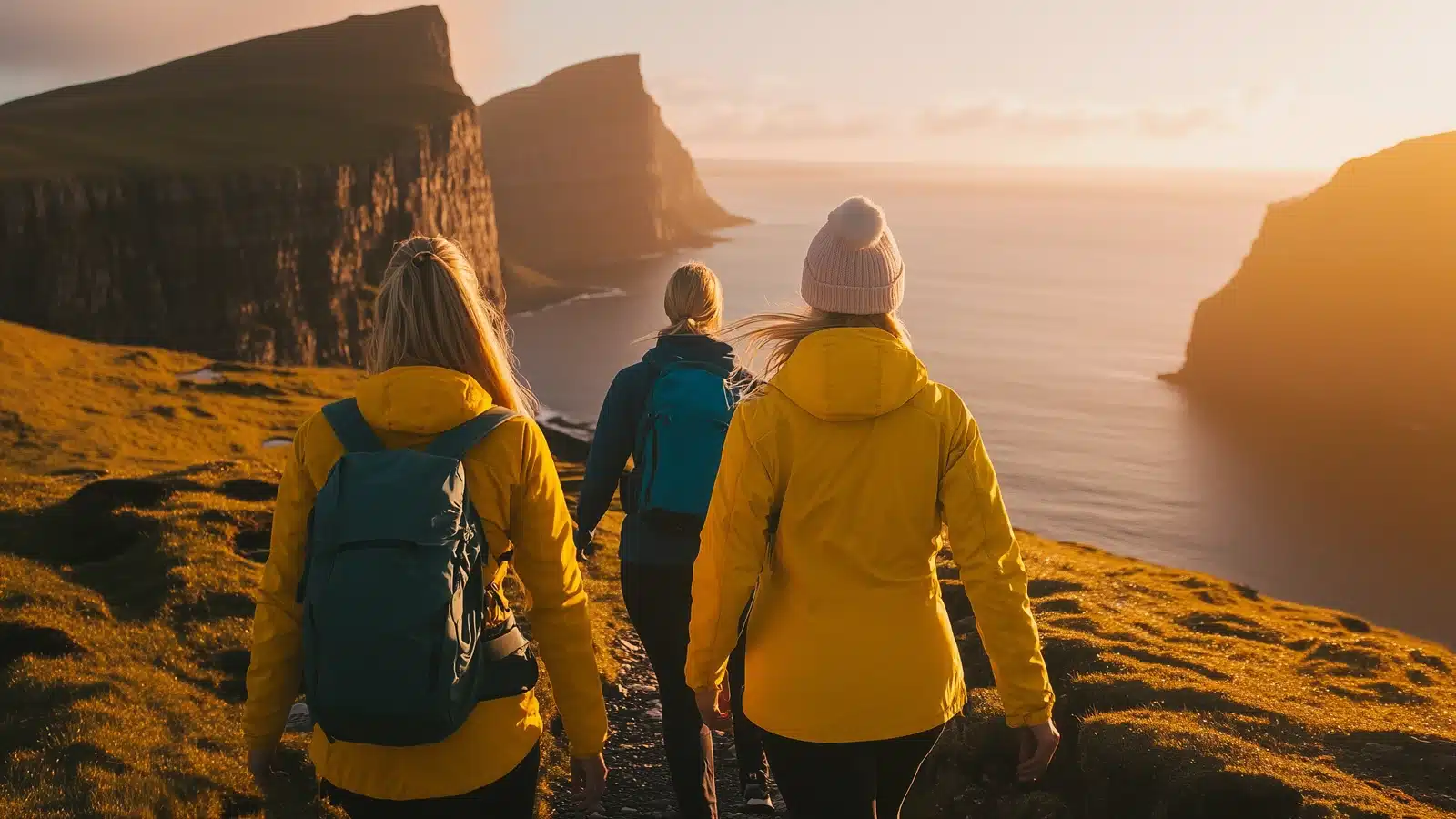
Packing the right clothing is essential when visiting the Faroe Islands.
Because the weather can change quickly, visitors should prepare for a combination of wind, rain, sunshine, and cool temperatures.
Even during summer, the islands can feel chilly, especially in exposed mountain areas.
A waterproof and windproof jacket is one of the most important items to bring.
Warm layers, such as fleece jackets or wool sweaters, help you stay comfortable when temperatures change.
Waterproof trousers are useful for hiking and outdoor activities, particularly during rainy weather.
Sturdy hiking shoes or waterproof boots are recommended for visitors planning to explore trails and natural attractions.
A warm hat and gloves can also be useful throughout much of the year, especially when visiting exposed viewpoints.
For photography enthusiasts, a waterproof camera bag or protective cover can help keep equipment dry.
A small backpack is convenient for carrying extra clothing, water, snacks, and other essentials during day trips.
If you're planning to hike in the Faroe Islands, always check the weather forecast before setting out.
Some hiking routes cross privately owned land and may require a fee, advance booking, or a local guide.
Make sure your chosen trail is suitable for your experience and the current conditions.
With the right clothing and equipment, you can enjoy the beautiful Faroese landscape even when the weather changes unexpectedly.
.webp)
The best time to visit the Faroe Islands depends on the experiences you're looking for.
Each season offers different weather conditions, landscapes, and opportunities for exploration.
Summer, from June to August, is generally the most popular time to visit.
During these months, temperatures are relatively mild, daylight hours are long, and visitors have more time to explore scenic roads, villages, and hiking destinations.
Spring brings gradually increasing daylight and green landscapes, although temperatures remain cool and the weather can be unpredictable.
Autumn offers dramatic skies, changing light, and fewer visitors compared with the peak summer season.
However, stronger winds and wetter conditions become more common as the season progresses.
Winter provides a quieter experience, with dramatic landscapes, short daylight hours, and the possibility of snow or icy roads.
For visitors planning a Faroe Islands road trip, late spring through early autumn often provides a convenient balance of daylight and opportunities for outdoor exploration.
Nevertheless, beautiful scenery can be enjoyed throughout the year.
One of the greatest advantages of exploring the Faroe Islands by car is being able to adjust your plans when the weather changes.
You might begin your day exploring a coastal village, continue towards a scenic waterfall, and finish your journey watching sunlight break through the clouds over the Atlantic Ocean.
For visitors arriving at Vágar Airport, arranging a rental car nearby makes it convenient to begin exploring the islands.
A2B Car Rent is a locally owned car rental company based in Sørvágur, close to Vágar Airport.
With your own vehicle, you can explore beautiful destinations across Vágar, Streymoy, Eysturoy, and other connected islands at your preferred pace.
No matter which season you choose, the Faroe Islands offer extraordinary landscapes and unforgettable experiences.
.webp)
Ready to discover the beauty of the Faroe Islands in every season?
From dramatic coastal roads and peaceful villages to spectacular waterfalls and breathtaking mountain landscapes, every journey offers something special.
With A2B Car Rent, you can enjoy the freedom to explore the Faroe Islands at your own pace and adjust your plans to the changing weather.
Located in Sørvágur near Vágar Airport, A2B Car Rent offers a convenient starting point for your island adventure.
Start planning your Faroe Islands road trip and book your rental car with A2B Car Rent today.
The first big thing to know about renting a car here is that there is a relative scarcity of rental cars (around 1,400 rental cars only across all the islands!), which means that prices will get steep, especially during the peak of summer holidays. If you’re planning your visit to the Faroe Islands sometime within the year, do your best to always book in advance. Winter is a good time to snatch up deals—and if you’re smart about which car rental company you choose, you can do so without any worry about cancellation fees.
Google “car rentals in Faroe Islands” and you'll likely find listings for the big car rental companies (Sixt, Kayak, etc). But that’s not all there is. With some locals being too aware of how high car rental prices put off some travelers from visiting their homeland, they’ve set up shop to offer more affordable prices (i.e. our mission in a nutshell!). But it’s not just a matter of pricing. With a local, small team you can expect much more personal support and all the attention that small businesses are known for: ensuring you’re satisfied and sharing with you recommendations.
If you haven’t been lucky enough to nab a car rental winter deal, this is a must-do. Because for many car rental companies (especially the big ones), apart from the rental price of your vehicle, other costs can include cancellation fees and security deposits. The latter can be especially annoying when they charge your credit card immediately for a high deposit, before releasing it with the cost of your bank’s currency exchange fee. Our favorite alternative? Go with a car rental company that doesn’t charge you for cancellations & security deposits.
Thought the rocky Faroe Islands would require 4-wheel drives? Not all. Off-road driving is actually banned from the islands, and thanks to a fantastic road network, just a standard car type would do you well for your adventures (even in winter!)
If you haven’t been lucky enough to nab a car rental winter deal, this is a must-do. Because for many car rental companies (especially the big ones), apart from the rental price of your vehicle, other costs can include cancellation fees and security deposits. The latter can be especially annoying when they charge your credit card immediately for a high deposit, before releasing it with the cost of your bank’s currency exchange fee. Our favorite alternative? Go with a car rental company that doesn’t charge you for cancellations & security deposits.
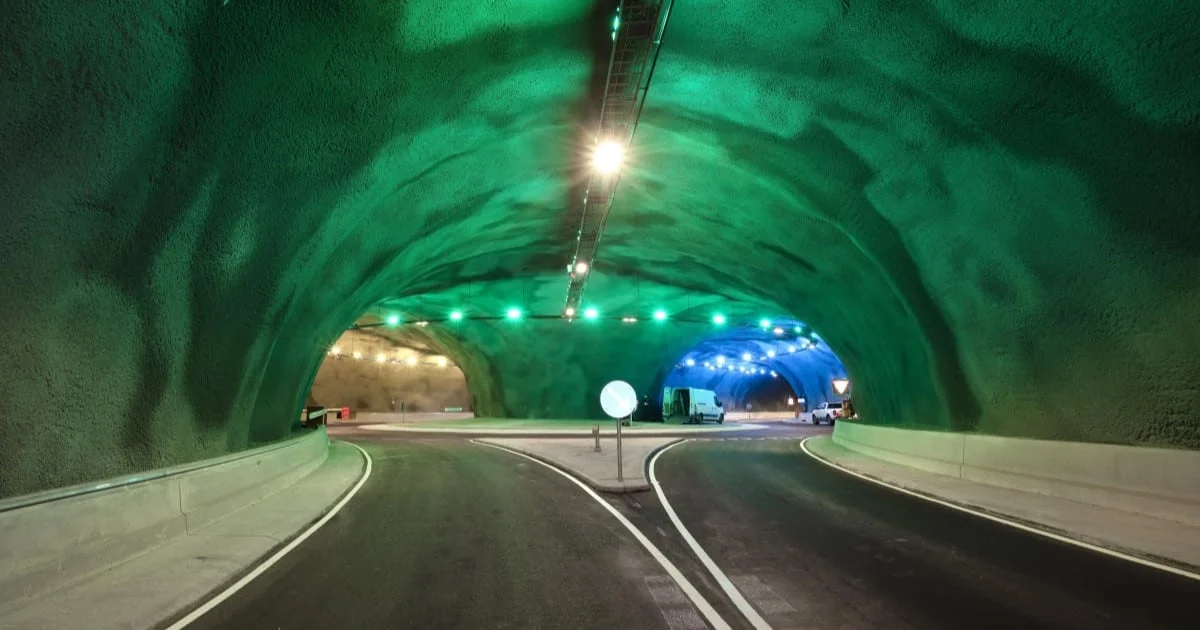
One of the unique things you’ll quickly find out about the Faroe Islands is its many tunnels connecting you all across the archipelago. There are around 20 of them—and they can go either under the seabed itself (sub-sea tunnels) or right through a mighty mountain.
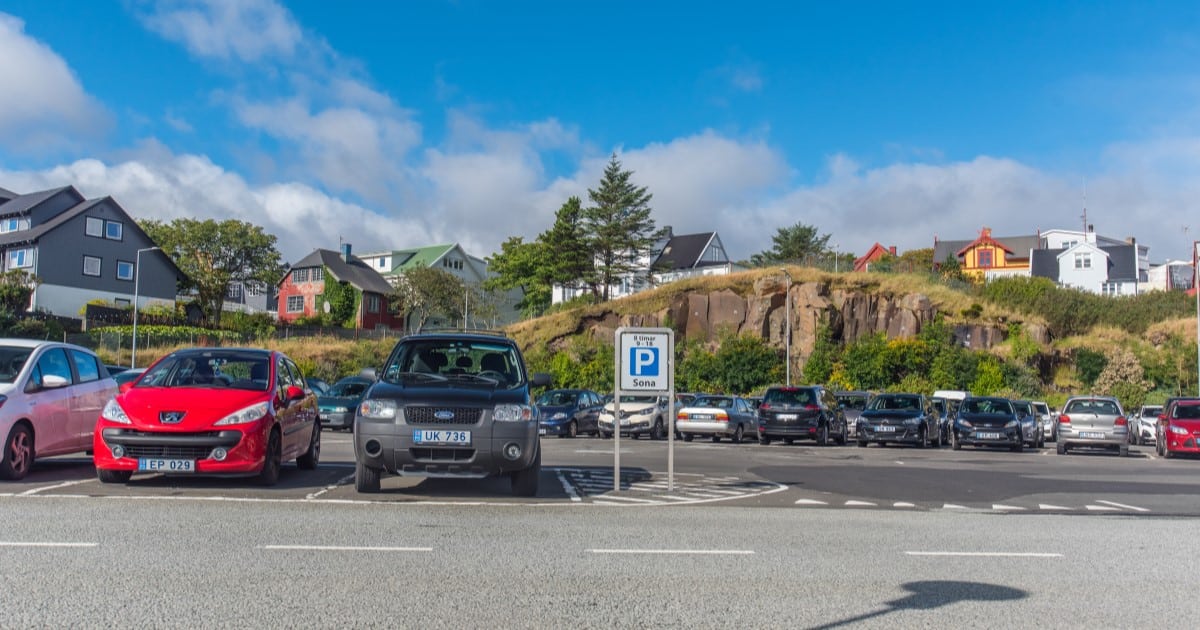
Whether it’s because of the sparsity of the population or the immensity of space around, the Faroe Islands have no parking fees whatsoever…with one exception. If you’re planning to park at the airport, you can expect to pay a fee there—otherwise, park as long as you want, free of charge.
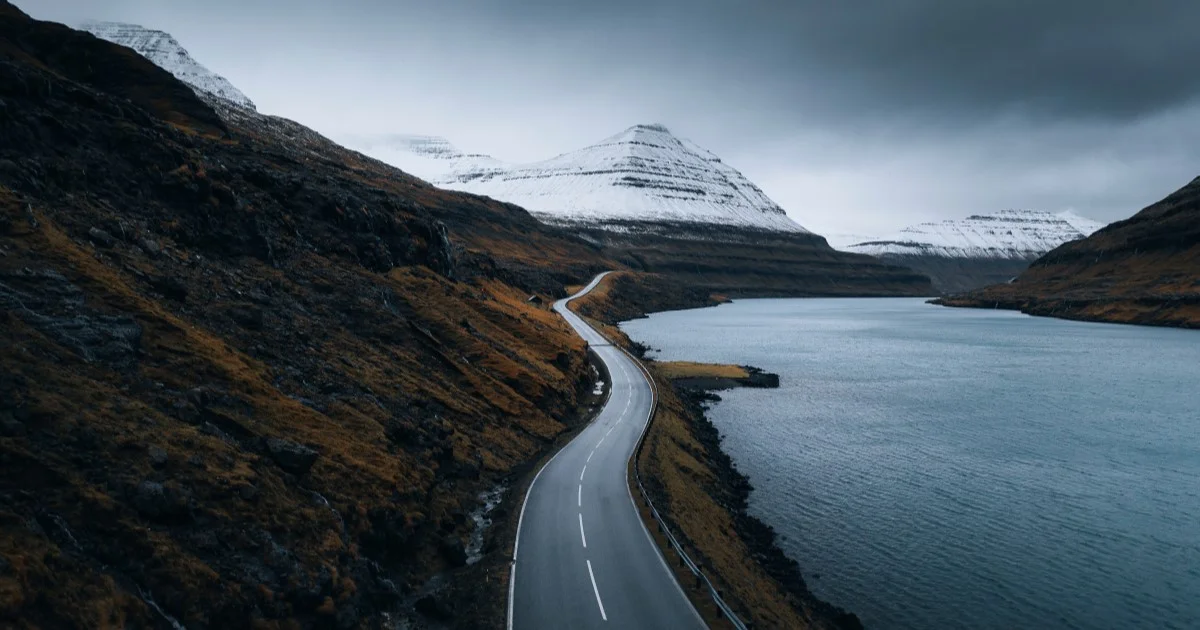
Perhaps a little disappointing to the 4-wheeler adventurers: the Faroe Islands doesn’t permit any off-road driving (officially: it’s prohibited by law). This is to protect the pristine nature all around, much of which is actually private property. So do enjoy your road trips—but on the ample roads, bridges, and tunnels.
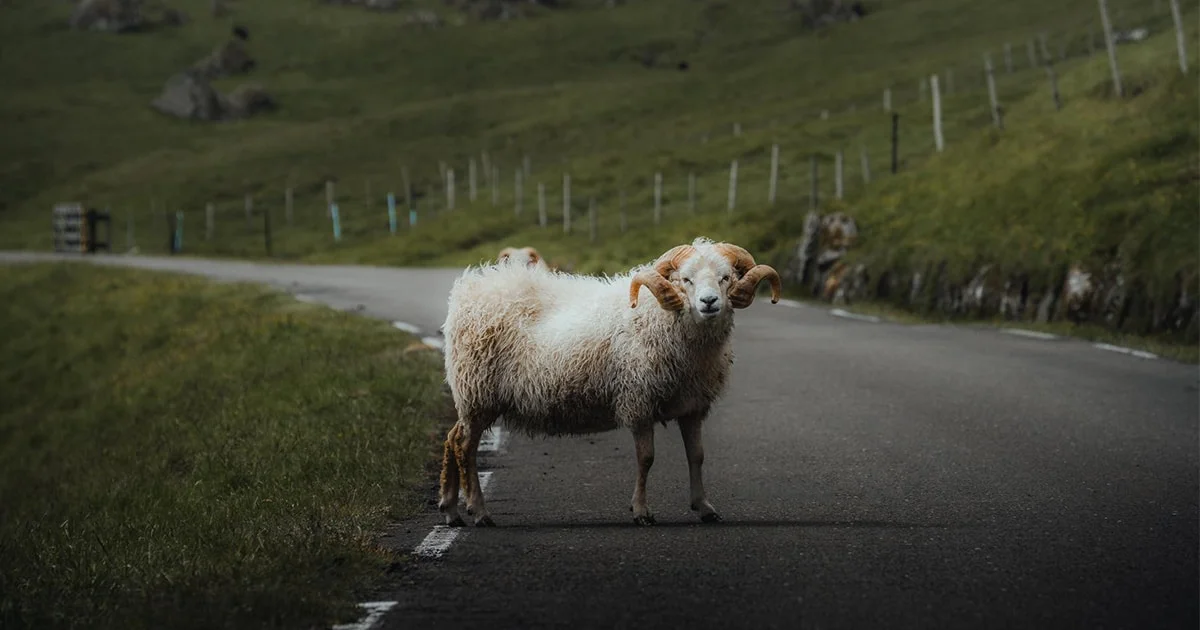
Quintessentially Faroese, when you’re driving around here you’ll very soon be greeted with our most common habitant: wooly sheep. You’ll see them across fields and by roadsides, but just be mindful that some can galavant across the roads (often when in a panic). So when sheep are around, do slow down.
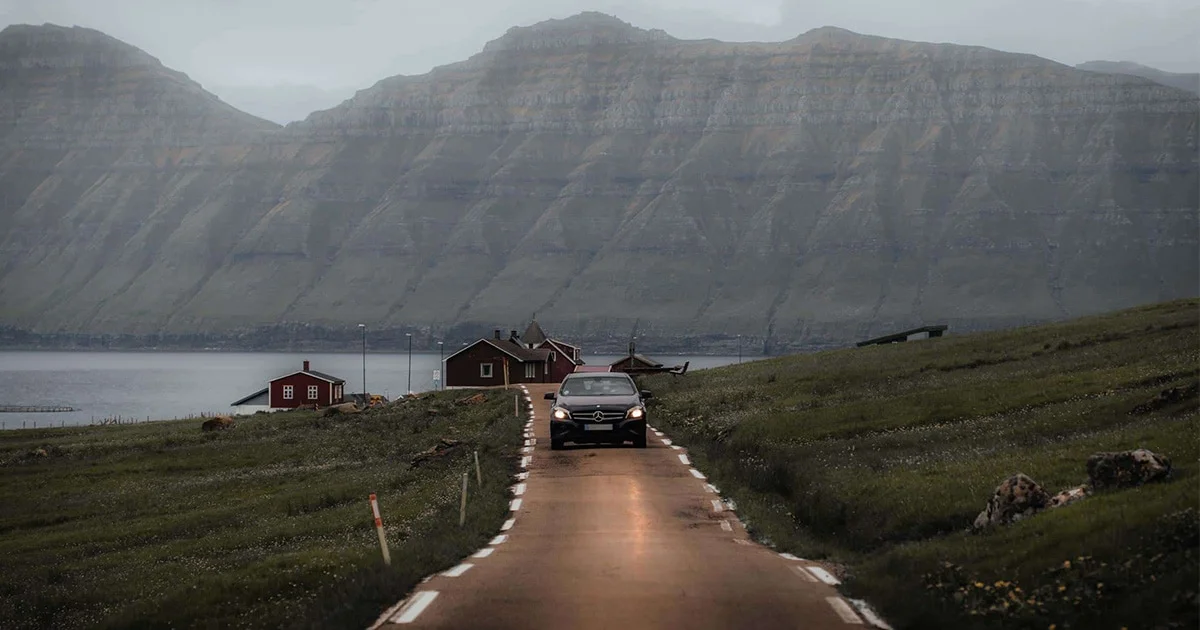
For a quick runthrough of local driving rules: if you’re in town areas, the speed limit is 50 km/h (31 mph)—otherwise, it’s 80 km/h (50 mph). You drive on the right-hand side. It’s illegal to hold a mobile device (or drink alcohol) while driving. And while the legal driving age in the Faroe Islands is 18, most car rental companies will require you to be at least 20-21 years of age.
We’re keeping this part short—only because we’ll be breaking things down for you fully in a separate
blog. But the quick sum of it is: if you’re looking to rent a car for your adventures in the Faroe
Islands, you can either rent from the regular big companies or opt for a local car rental company.
Why we’re biased for the latter? Because, well, that’s what we do—but in our A2B Car Rent way. We make
reservations a breeze, never tie up your money in security deposits, don’t charge cancellation fees
(unless you cancel 72 hours before your pick-up time), and make sure your money goes the furthest for
you.
Our mission has always been to provide the best value car rentals that you can rely on for quality and
friendly, local service.